Electric Vehicle Chargepoint Grant
Who: People who rent their home or own a flat (a separate version of the grant is available for landlords).
Official details on gov.uk →HOW TO HIRE · ELECTRICAL · CHECKED OCTOBER 2026
A home EV charger is notifiable work in England and Wales and must be a smart charge point in Great Britain. The checks, the questions and the paperwork.
THE 60-SECOND VERSION
BEFORE YOU BOOK
In England and Wales, the charger installation adds a new circuit from the consumer unit, which is notifiable work, and in Wales outdoor electrical work is notifiable as well. That leaves two routes for the charger installation: an electrician registered with an authorised competent person scheme such as NICEIC or NAPIT certifies it under the Building Regulations, or building control is told in advance and charges you to inspect. Ask who insures the trader doing the charger installation and for how much; public liability is standard. The Consumer Rights Act 2015 covers the charger installation when the provider is a trader, and a contract made off-premises or online can usually be cancelled within 14 days under the Consumer Contracts Regulations 2013 — less what was done if you asked for an early start, and not at all for goods made to your specification.
Look up the business name on the register; it takes a minute and should come before the charger installation. See the insurance certificate before you confirm the charger installation; the Locufy profile shows the trader and ID-checked badges. electricalcompetentperson.co.uk →
The charger's new circuit is tested to BS 7671 and recorded on an Electrical Installation Certificate. Because the charger installation is notifiable, the scheme also issues a Building Regulations compliance certificate: gov.uk says within 8 weeks in England, and the Welsh Government says the electrician should arrange it within 30 days.
Get the certificate and its schedule of results on the day the charger installation is completed. gov.wales →
The 2021 smart charge point Regulations for electric vehicles, which extend to England, Wales and Scotland, bar the sale of a home or workplace charge point that does not meet their requirements on smart functions, off-peak charging, randomised delay and security.
Ask for the charger's make and model and confirm it meets the 2021 Regulations. legislation.gov.uk →
In Scotland there is no equivalent register; the charger installation is judged against building standard 4.5 (wiring to BS 7671), and certain work — rewiring a flat is the usual example — needs a building warrant, which the owner obtains. In Northern Ireland, the charger installation comes under building regulations with no Part P-style notification scheme for home wiring.
For a Scottish home, ask the electrician whether the charger installation needs a building warrant and whether they are an approved certifier of construction. gov.scot →
HMRC puts installing a home EV charge point at the standard rate of 20%; once a trader's taxable turnover passes £90,000 it must register, charge the 20% and list it apart from the price of the work.
Ask for the VAT number, and look for VAT as its own line on the charge point quote. gov.uk →
A good answer: Yes, with the model named. In England, Wales and Scotland a non-compliant home charge point should not be on sale at all.
A good answer: A clear plan for outdoor charging protection — an earth rod or a protective device in the unit — explained, not skipped.
A good answer: A look at the incoming supply and the house's existing load; if the network operator needs to be involved, the installer explains how.
A good answer: A reasoned answer: spare space and RCD protection, or a board upgrade priced separately.
A good answer: From the board to the charger, through which walls, how it is protected outside, and how long.
A good answer: The difference explained, and the price of each, so you choose.
A good answer: An Electrical Installation Certificate on the day and a compliance certificate from the scheme.
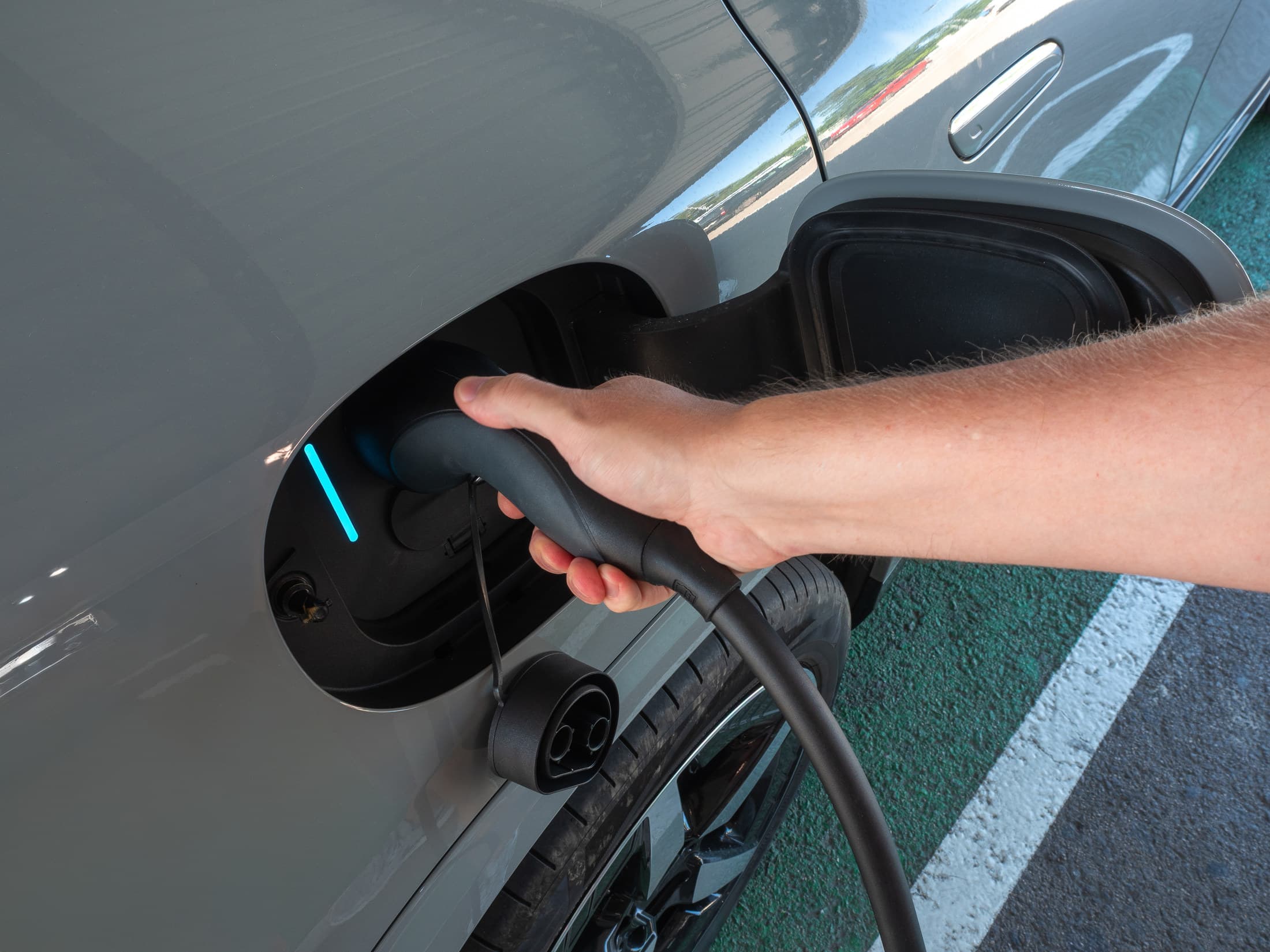
EV charger installation is priced per install; a charger beside the consumer unit is the cheap end, and a long cable run, earthing work or a board upgrade push it up. EV Charger Installation price guide →
Guide prices compiled by the Locufy team from published Irish and UK provider price lists and 2026/27 cost guides. Updated 2026.
KNOW WHAT TO LOOK FOR? NOW FIND ONE
ID checked, trader status and one score from every review — on the card, before you message anyone. Nearest first. No account needed to look.
Or post the job free and let them come to you.
AFTER
MONEY BACK
Who: People who rent their home or own a flat (a separate version of the grant is available for landlords).
Official details on gov.uk →Schemes change. The amounts above were checked on the dates shown; the official page is the one that counts.
In England and Wales it is a new circuit and therefore notifiable: a scheme-registered electrician self-certifies it, or building control is notified before work starts.
An Electrical Installation Certificate with the test results, and a Building Regulations compliance certificate from the scheme afterwards.
£700–£1,500 an installation, typically around £1,100. The cable run, the charger model, earthing work and any board upgrade decide the price. For what is usually included, read the EV Charger Installation price guide; enter a postcode above to compare EV charger installers locally.
In England, Wales and Scotland, yes: the 2021 Regulations bar the sale of home charge points that do not meet their smart requirements.
The 2021 smart charge point Regulations extend to Great Britain only. Northern Ireland has no Part P-style notification for home wiring, so ask for an Electrical Installation Certificate to BS 7671 all the same.
No: a charger needs its own circuit from the consumer unit.
MORE GUIDES