HOW TO HIRE · PLUMBING & HEATING

How to hire a central heating installer in the UK
The checks, the questions and the paperwork.

A gas central heating system needs a Gas Safe engineer and must be notified. The checks, the sizing questions and what the quote should list.

  • Search and compare — no account needed
  • Nearest to you first
  • One score from Google, Trustpilot and Locufy reviews

THE 60-SECOND VERSION

Hiring a central heating installer in five steps

  1. Check the Gas Safe RegisterWhoever connects the boiler must be registered; check the licence by text to 85080.
  2. Ask for a heat loss calculationRoom by room, so each radiator and the boiler are sized for the house.
  3. Plan the pipe routesAgree where pipes run and which floors come up before the job starts.
  4. Get a full written scopeBoiler, radiators, valves, pipework, controls, making good and notification.
  5. Collect the certificateThe compliance certificate follows notification; keep it with the deeds.

BEFORE YOU BOOK

Check before you book

Gas Safe Register

The 1998 Gas Safety (Installation and Use) Regulations, and Northern Ireland's 2004 Regulations, make the gas boiler and gas pipework of a central heating system legal only for engineers on the Gas Safe Register. A plumber may run the water pipes; the gas connection is not theirs unless they are registered.

Check the engineer who will connect the gas, by text to 85080 or on 0800 408 5500. gassaferegister.co.uk →

Notifiable heating work

In England a new or replacement heating system is notifiable building work. A Gas Safe engineer self-certifies it, and a compliance certificate follows — gov.uk says within 8 weeks.

Confirm in writing who notifies and when the certificate is due. gov.uk →

Boilers on the ID card

HSE notes the back of the Gas Safe ID card shows the categories an engineer is qualified for. A central heating installation needs the boiler category.

Read both sides of the card before the job is booked. hse.gov.uk →

Zero-rated heating controls

The boiler itself is standard-rated at 20%, but under HMRC's Notice 708/6 qualifying heating controls fitted in a home are zero-rated until 31 March 2027.

Ask for controls priced on their own line with the VAT rate shown. gov.uk →

VAT

A central heating system is standard-rated at 20%, with qualifying heating controls zero-rated until 31 March 2027; 5% applies only to grant-funded work for a qualifying person, aged 60 or over or on certain benefits, in their main home. Over the £90,000 registration threshold a trader must charge it and show it separately; under it there is no VAT and no VAT number.

Ask for the central heating quote to show each VAT rate on its own line, and for the VAT number. gov.uk →

“Have you worked out the heat loss room by room for the heating?”

A good answer: Yes, with a figure for each room that the radiator sizes follow — not one radiator size for the whole house.

“Who connects the gas, and are they Gas Safe registered?”

A good answer: A named engineer with a licence you can check, even if others run the pipework.

“Which floors and walls will the heating pipework need opened?”

A good answer: A plan by room, so you can move furniture and know what making good is needed.

“Are thermostatic radiator valves and controls included in the heating installation?”

A good answer: Yes, named in the quote with their VAT rate.

“How will the central heating be cleaned and commissioned?”

A good answer: Filled, flushed, dosed with inhibitor, balanced and tested, with a commissioning record.

“Who notifies the heating installation, and when does the certificate arrive?”

A good answer: They notify it, and the compliance certificate follows within 8 weeks according to gov.uk.

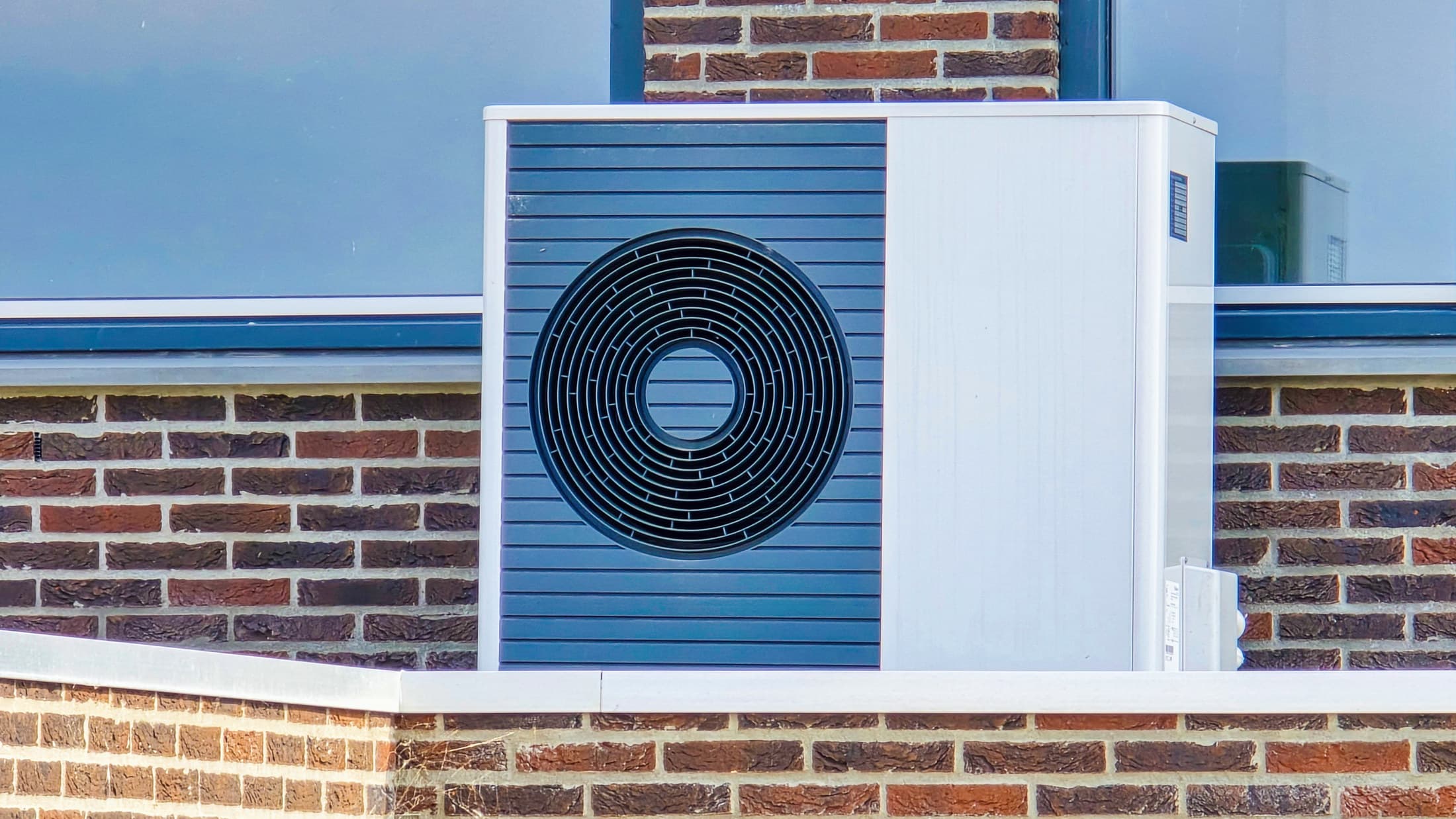
“Would a heat pump suit this house?”

A good answer: An honest view. The Boiler Upgrade Scheme in England and Wales pays towards heat pumps, not gas boilers.
Getting the quote right

  • Boiler make, model and output, and every radiator by room and size
  • Valves, controls and any zero-rated controls on separate lines
  • Pipework routes, lifting floors and making good spelled out
  • Commissioning, inhibitor and balancing included
  • Who notifies building control and the certificate due
  • Who actually attends across the job — the Gas Safe engineer, the pipe fitters and any electrician, employed or subcontracted
  • The VAT number, with VAT at 20% on the boiler and labour shown apart from any zero-rated controls

Walk away if

  • No heat loss figures, just 'a radiator in every room'
  • The gas connection done by someone who is not Gas Safe registered
  • No mention of notification or the compliance certificate
  • Making good left vague — 'we'll tidy up'
  • A large payment before materials arrive
LOW
£3,000
TYPICAL
£4,500
HIGH
£9,000

What a central heating installer costs: £3,000–£9,000 per system

Central heating is quoted per system after a survey; the number of radiators, the boiler and how much floor must be lifted set the figure. Central Heating Installation price guide →

Guide prices compiled by the Locufy team from published Irish and UK provider price lists and 2026/27 cost guides. Updated 2026.

KNOW WHAT TO LOOK FOR? NOW FIND ONE

Central heating installers near you, with the badges that matter shown

ID checked, trader status and one score from every review — on the card, before you message anyone. Nearest first. No account needed to look.

Or post the job free and let them come to you.

  1. Survey and designHeat loss worked out room by room; boiler and radiators sized.
  2. First fixPipes run under floors and through walls to each radiator position.
  3. Fit boiler and radiatorsThe Gas Safe engineer fits and connects the boiler; radiators and valves are hung.
  4. Fill, flush and testThe system is filled, flushed, dosed with inhibitor and pressure-tested.
  5. Commission and notifyReadings recorded, the system balanced, controls explained and the work notified.

Heat loss calculation
A room-by-room figure for how much heat each room needs.
TRV
Thermostatic radiator valve; controls each radiator's temperature.
Lockshield valve
The valve on the other end of a radiator, set when balancing.
Balancing
Adjusting valves so every radiator heats evenly.
Inhibitor
Chemical added to heating water to slow corrosion.
First fix
Pipework run before floors and walls are closed.

AFTER

When the job is done

Keep the compliance certificateIt is the proof the heating installation was notified and certified.
Test every radiatorEach one warm top to bottom, valves turning, no drips at the joints.
Get the commissioning recordThe boiler readings and system details on the maker's checklist.
Say how it wentYour rating of the heating installation sits on the central heating installer's Locufy profile for others to read. Something wrong? Use make-it-right first and we follow it through.

MONEY BACK

Grants that may apply

GOV.UK · DELIVERED BY ENERGY SUPPLIERS · GRANTVerified 18 August 2026

Energy Company Obligation (ECO4)

No fixed amount — insulation and heating measures are funded fully or partly by your energy supplier.

Who: Households on qualifying benefits (e.g. Universal Credit, Pension Credit, Income Support, income-based JSA or ESA, Child Benefit, Housing Benefit) in a privately owned home with an EPC rating of D–G (E–G if privately rented), or eligible social housing.

Official details on gov.uk →
GOV.UK · ADMINISTERED BY YOUR LOCAL COUNCIL (ENGLAND) · GRANTVerified 18 August 2026

Warm Homes: Local Grant

Free of charge — the council organises and pays for improvements such as wall, loft and underfloor insulation, an air source heat pump, smart controls or solar panels.

Who: Privately owned homes in England with an EPC rating of D–G, where household income is usually £36,000 a year or less (or someone is on certain benefits, or you live in an eligible postcode).

Official details on gov.uk →

Schemes change. The amounts above were checked on the dates shown; the official page is the one that counts.

STEP 1Tell the central heating installer, in writingPut the problem with the heating installation in a message or email, with photos and the date. The Consumer Rights Act 2015 reads reasonable care and skill into every contract like this one, so you can require the central heating installer to redo the faulty part within a reasonable time at no cost to you, or give a price reduction.
STEP 2Use the make-it-right stepIf you rate the heating installation under four stars, Locufy asks whether to send the problem to the central heating installer first, and we follow it through before your review goes up.
STEP 3Unsafe or unregistered gas workReport it to Gas Safe Register, which investigates illegal gas work with HSE. A missing compliance certificate can be raised with the register too.
STEP 4Small claims, if money is owedTo get money back for the heating installation, the small claims limits are £10,000 in England and Wales, £5,000 in Scotland (simple procedure) and £5,000 in Northern Ireland; court fees start at £35 in England and Wales and £23 in Scotland.

Hiring a central heating installer: questions people ask

For the gas boiler and gas pipework, yes, by law in all four UK nations. Water pipework and radiators can be fitted by a plumber.

A Building Regulations compliance certificate after notification — gov.uk says within 8 weeks in England — and the boiler's commissioning record.

At 20% on the boiler and most of the work; qualifying heating controls are zero-rated until 31 March 2027 under Notice 708/6.

£3,000–£9,000 per system, about £4,500 typical for a three-bed home. See the central heating installation price guide for the breakdown, then put your town in the search above to compare installers.

Four to eight days for most homes, longer where there is no existing system.

Not for a gas system. The Boiler Upgrade Scheme in England and Wales pays towards heat pumps, and Home Energy Scotland offers a grant and loan for clean heating.