HOW TO HIRE · BUSINESS & PROFESSIONAL · CHECKED OCTOBER 2026
How to hire an EPC assessor in the UK
The checks, the questions and the paperwork.
Only an accredited assessor can produce an EPC. Here is how to check one, prepare for the visit and complain about a rating.
- Search and compare — no account needed
- Nearest to you first
- One score from Google, Trustpilot and Locufy reviews
THE 60-SECOND VERSION
Hiring an EPC assessor in five steps
- Check for a valid EPC firstAn existing certificate under 10 years old may still be usable.
- Find an accredited assessorThrough gov.uk in England, Wales and Northern Ireland; Scotland has its own route.
- Gather your paperworkInsulation, windows, boiler and heating upgrade records can improve the rating.
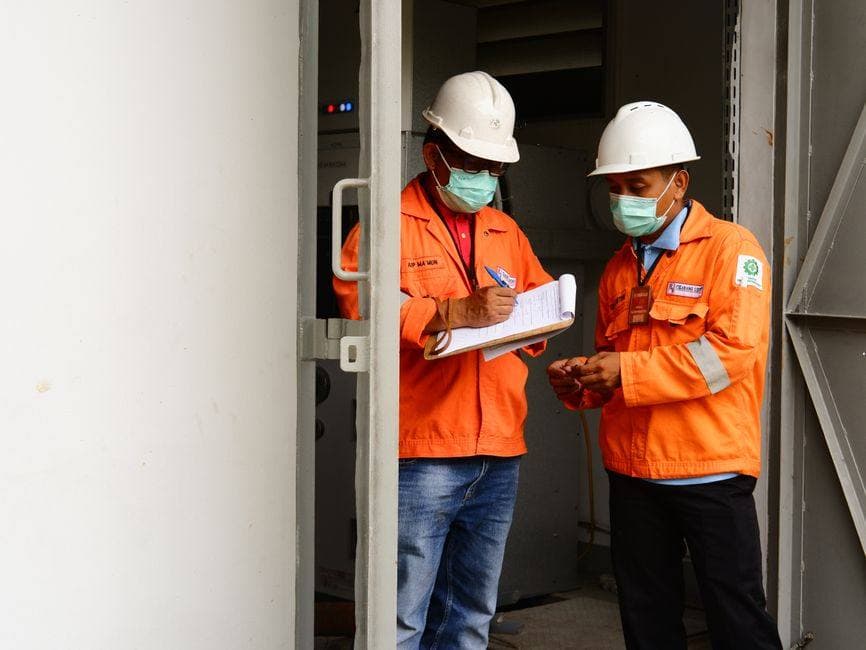
- Give access to every room and the loftThe EPC assessor measures and records construction, heating and lighting.
- Check the certificate is lodgedIt should appear on the register within a day or two.
BEFORE YOU BOOK
Check before you book
Accredited energy assessor
nidirect explains that only an accredited assessor, after visiting the property, may produce an EPC; gov.uk tells you to check the assessor is part of an accredited scheme when you book.
Find the assessor on gov.uk's find-an-assessor service and confirm their accreditation scheme. gov.uk →
When an EPC is required
gov.uk says you must have an EPC, a certificate rating energy efficiency, when selling, renting out or building a property, ordered before you market it to buyers or tenants.
Book the EPC assessor before the property goes on the market. gov.uk →
Northern Ireland enforcement
In Northern Ireland district councils enforce EPC rules, and not having an EPC can lead to a penalty charge notice; each certificate is valid for 10 years.
Check any existing certificate's date before paying for a new one. nidirect.gov.uk →
Scotland's own EPC process
Scotland has a different process for finding an accredited assessor, and its certificate carries an energy efficiency and environmental impact rating with a recommendations report. The certificate is part of Scotland's building standards system, set out on mygov.scot.
Use the Scottish route if the property is in Scotland. mygov.scot →
VAT
Energy assessment is standard-rated, so a registered EPC assessor adds 20% to the assessment, the certificate and any travel charge; lodging the certificate is part of the fee. Registration becomes compulsory once an EPC assessor has VAT-taxable turnover over £90,000 in any rolling 12 months; from then VAT must be charged and shown as a separate line on the invoice.
Ask the EPC assessor for the VAT number when booking and for the fee and VAT shown apart on the invoice. gov.uk →
A good answer: A named scheme you can check.
A good answer: Records of insulation, glazing, boiler and controls.
A good answer: About 30 minutes to an hour for most homes.
A good answer: Usually within a day or two.
A good answer: Stated up front for rural properties.
A good answer: Complain to the assessor first, then the accreditation scheme named on the certificate.
A good answer: Yes: a recommendations report with a potential rating.
Getting the quote right
- Fee for the assessment and certificate
- Who actually attends the property: the accredited EPC assessor named, or another accredited assessor the firm employs or subcontracts
- Travel charge, if any
- Lodging on the register included
- Turnaround from visit to certificate
- Accreditation scheme named
- The VAT number, with VAT at 20% on the assessment fee
Walk away if
- Offers an EPC without visiting
- Cannot name an accreditation scheme
- Certificate never appears on the register
- Sells you insulation as part of the visit
- Charges for a new EPC when a valid one exists and is suitable
- No receipt
What an EPC assessor costs: £60–£120 per assessment
EPCs are priced per assessment from the size and type of property, plus any travel charge. BER / EPC Assessor price guide →
Guide prices compiled by the Locufy team from published Irish and UK provider price lists and 2026/27 cost guides. Updated 2026.
KNOW WHAT TO LOOK FOR? NOW FIND ONE
EPC assessors near you, with the badges that matter shown
ID checked, trader status and one score from every review — on the card, before you message anyone. Nearest first. No account needed to look.
Or post the job free and let them come to you.
- BookingAccreditation checked and access arranged.
- SurveyThe EPC assessor measures and records walls, roof, windows, heating and lighting.
- CalculationThe rating worked out from A to G.
- RecommendationsImprovements listed with a potential rating.
- LodgingThe certificate lodged so buyers and tenants can see it.
- EPC
- Energy Performance Certificate, rating a property from A to G.
- Accreditation scheme
- The body that accredits and audits energy assessors.
- Lodging
- Registering the EPC so it can be viewed.
- Recommendations report
- The list of improvements that could raise the rating.
- Energy efficiency rating
- The A to G score on the certificate, with a potential score after improvements.
- Penalty charge notice
- A fine for marketing a property without a valid EPC.
AFTER
When the job is done
Hiring an EPC assessor: questions people ask
An assessor accredited through a scheme, after a visit to the property.
When you sell, rent out or build a property, before you market it.
10 years, and it can be used multiple times in that period.
£60–£120 per assessment, with a typical figure of £90. Property size, type and travel set the fee. Read the EPC assessor price guide for the factors, or search your town above for EPC assessors nearby.
Complain to the assessor first; if still unhappy, contact the accreditation scheme named on the certificate.
About 30 minutes to an hour, with the certificate usually lodged within a day or two.
MORE GUIDES
More hiring guides in business & professional
EPC assessors near you
Sources — checked October 2026
- gov.uk — get a new energy certificate
- gov.uk — selling a home: Energy Performance Certificates
- nidirect — Energy Performance Certificates
- mygov.scot — Energy Performance Certificates
- Consumer Rights Act 2015, section 49 — reasonable care and skill
- Citizens Advice — more help with a consumer issue
- gov.uk — make a court claim for money: court fees
- VAT rates — VAT rates for goods and services: standard rate 20% on most goods and services
- GOV.UK — Register for VAT: when to register