DIY GUIDE · GARDEN & OUTDOOR · CHECKED OCTOBER 2026
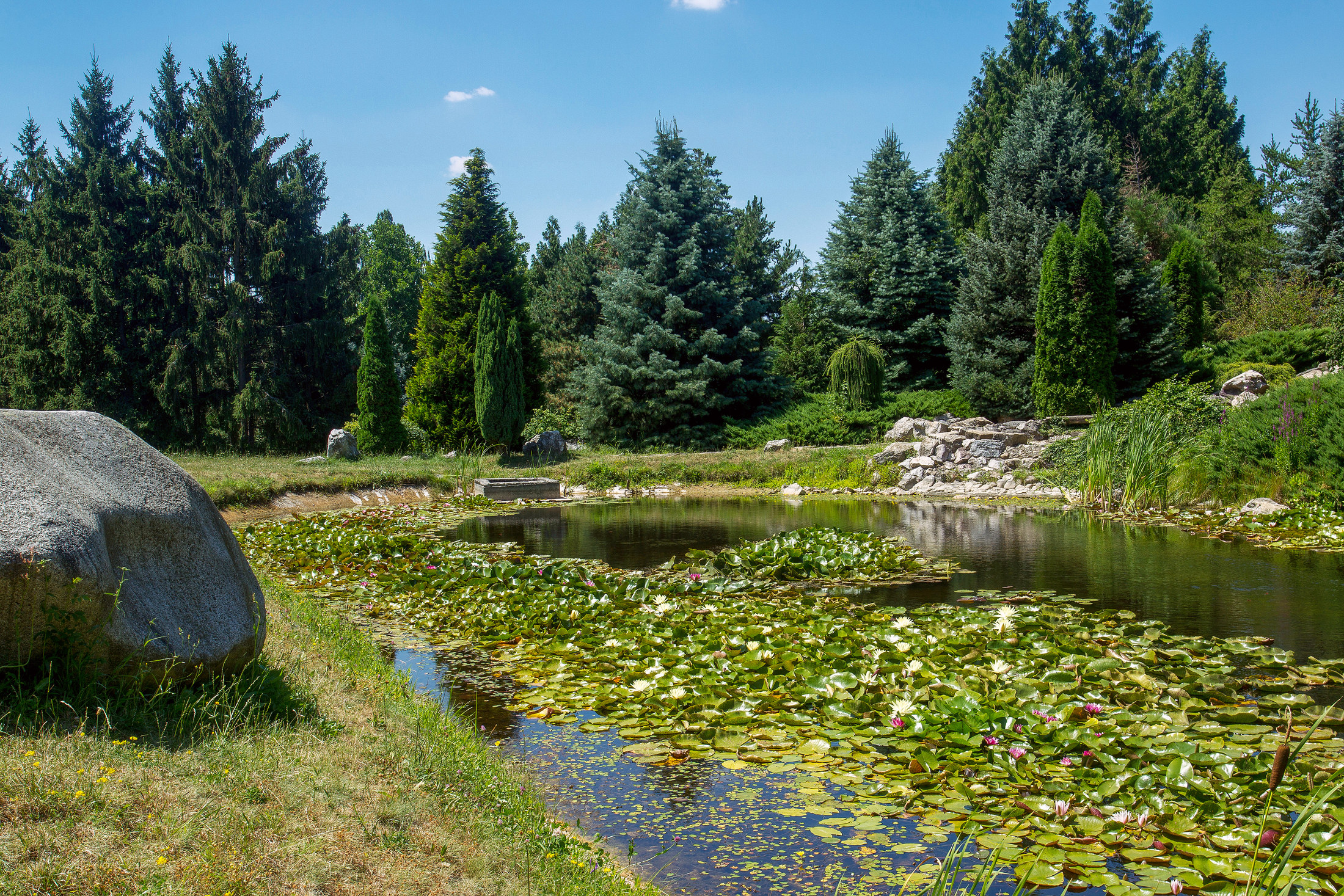
How to maintain a garden pond yourself
An hour or two a month, longer each autumn. £113–£156 in kit, including a replacement pump.
Keep the balance: shade, movement, a clean filter, gentle clearing, rainwater top-ups. Liners and wiring stop here.
- Every step, start to finish
- Checked October 2026 — sources at the end
- Honest about when to call a pro
FIRST, THE HONEST ANSWER
Do it yourself, or get a repairer?
Do it yourself if…
- The pond is a typical garden pond with a sound liner or preformed shell
- The pump and any filter plug into an existing outdoor socket protected by an RCD
- The job is clearing, thinning, cleaning the filter and topping up
- You can work from the edge without wading into deep water
Get a pro if…
- The water level keeps dropping and you suspect a leak in the liner
- The pond needs emptying completely, rebuilding or relining, especially with fish to rehome
- You need a new outdoor power supply, sockets or cable run for a pump or lights
- The pond is large, deep or a koi pond with complex filtration
Safety first
- Never leave young children alone near a pond, even a shallow one, and keep them away while you work; a toddler can drown in a few centimetres of water.
- Plug pumps, filters and lights only into a socket protected by an RCD; HSE's guidance is an RCD of 30 mA or less in wet or damp places such as outdoors, tested regularly with its button.
- Always unplug a pump or UV unit before lifting it out, cleaning it or putting your hands in the water near it.
- Wear long waterproof gloves and cover cuts; pond water and sludge carry bacteria, so wash your hands before eating or smoking.
- Work from a firm, dry edge; pond margins are slippery, and kneeling on a board spreads your weight.
- Do not run new cables or fit new outdoor sockets yourself; in England that falls under Part P of the Building Regulations, and Wales, Scotland and Northern Ireland have their own regulations.
Stop here: Anything that holds the water, emptying the pond, and electrics
Repairing or replacing a liner, relining, or rebuilding the edges means emptying the pond, rehoming fish and wildlife, and making the structure watertight again; a mistake loses the water and anything living in it. New outdoor wiring for pumps and lights is electrical installation work: in England a new circuit is notifiable under Part P of the Building Regulations, and Wales, Scotland and Northern Ireland have their own regulations. Water and electricity together are a danger to life, so this guide stops at plugging into an existing RCD-protected socket. How to hire a pond maintenance specialist →
| MATERIAL | COVERAGE | FOR THIS JOB |
|---|---|---|
| Rainwater | From a water butt | For top-ups through the summer |
| Pond water conditioner | Only if you must top up from the tap | At the dose on the bottle |
| Aquatic plant baskets and compost | Aquatic compost, not garden soil | For repotting or dividing plants |
| Replacement filter sponges or pump parts | Matched to your model | Only when worn out |
How big is the pond, for sizing pumps and treatments
Volume in litres ≈ length × width × average depth, all in metres, × 1,000. A pond 2 m × 1.5 m with an average depth of 0.5 m holds about 2 × 1.5 × 0.5 × 1,000 = 1,500 litres. Pumps, filters and treatments are sized and dosed by that figure.
Use the average depth, not the deepest point, and allow for sloping sides. A treatment overdosed because the pond was guessed too big harms the fish.
The pump maker's guidance is to have around half the pond's surface covered by plants — water lilies and other deep-water or floating kinds. Shade starves algae of light, and plants take up the nutrients that would otherwise feed green water and blanket weed.
Still water loses oxygen, which fish and the filter's bacteria both need. A pump, a fountain or a waterfall keeps water moving; oxygenating plants under the surface help too. Run the pump continuously in the growing season.
A pond filter works mechanically, catching solids, and biologically, using bacteria to break down fish waste. A UV clarifier clumps the tiny algae that turn water green so the filter can catch them. Size both to the pond's volume and the number of fish.
The pump maker gives a neutral pH of about 6.5–7.5 as the healthy range. Test kits for pH, ammonia and nitrite tell you whether a problem is chemistry rather than dirt, and are worth having if you keep fish.
Top up with rainwater from a butt where you can. Tap water adds nutrients that feed algae and, straight from the tap, chlorine that harms fish and filter bacteria; if you must use it, add a little at a time and use a pond water conditioner.
Several pond plants once sold widely, including parrot's feather and floating pennywort, are now listed invasive species. You must not sell, swap or plant listed species, and dumping pond plants in the wild may be an offence.
THE PART THAT DECIDES THE FINISH
What to do — by the pond you have
A wildlife pond, a fish pond and a small container pond need different care. Find yours.
A wildlife pond
No fish, plenty of plants, sloping edges.
- Leave most of the plants and sediment; they are habitat
- Thin plants by no more than about a third at a time, in autumn
- Leave removed plants and debris on the edge overnight so creatures can crawl back in
- Do not add fish; they eat tadpoles and insect larvae
A fish pond with a pump and filter
Ornamental fish, filtration, perhaps a UV clarifier.
- Keep the pump running continuously in the growing season
- Rinse filter sponges in a bucket of pond water, never under the tap, so the useful bacteria survive
- Do not overfeed; uneaten food rots and fouls the water
- Test the water if fish gasp at the surface or behave oddly
A small container or patio pond
A barrel, trough or small preformed pond.
- Expect it to heat up and evaporate fast in summer; top up with rainwater often
- Keep plants in baskets so they are easy to lift and thin
- Net it in autumn; a few leaves foul a small volume quickly
- Move it into partial shade if algae keep taking over
A pond under trees
Leaves falling straight in.
- Stretch a fine net over the pond before the leaf fall
- Lift the net and clear the leaves every week or two
- Scoop sunken leaves out gently with a net
- Cut back overhanging branches at the right time of year for the tree
A pond losing water
The level drops faster than evaporation explains.
- In hot, dry weather a pond can lose a surprising amount to evaporation alone
- Top up, then mark the level and watch it for a few days without the pump running
- If it drops to the same point and stops, the leak is at that level, often round the edge or a waterfall
- A liner repair or replacement is the Stop here job; see below
THE JOB
How to maintain a pond through the year
Check the pond and the power
10 minStart with the checks above for your type of pond. Look at the water clarity, the level, the plants and the fish or wildlife. Check that the pump and filter are running, and test the RCD on their socket with its button. Unplug everything before your hands go anywhere near the pump.
- Note anything different from last time: colour, smell, level, fish behaviour
- Look for frogs, newts or spawn before disturbing anything in spring
- Check cables for damage where they run over edges
Mistake to avoid: Reaching into the water by a running pump. Water and mains electricity together are the one serious hazard in this job.
Skim leaves and debris
15 minSkim floating leaves, twigs and dead plant material off the surface with a long-handled net, and lift out anything that has just sunk. Decaying material on the bottom feeds algae and fouls the water, but remove it gently rather than stirring up the sediment.
- Skim little and often in autumn
- Leave removed material on the edge overnight so creatures can return
- Empty the net onto the compost heap
Mistake to avoid: Leaving autumn leaves to sink. They rot on the bottom and the pond turns brown and smelly by spring.
Clear blanket weed
20 minPush a garden rake or a stick into the blanket weed and twist it, winding the strands round like spaghetti, then lift it out. Do it regularly in warm weather rather than letting a thick mat build up. Lay it on the edge for a day before composting it.
- Pull weed out, do not chop it; fragments regrow
- Shade and fewer nutrients are the long-term fix
- Rinse the rake in the pond so small creatures fall back in
Mistake to avoid: Tearing out every strand and plant in one session. You strip out the wildlife and the nutrients are still there for the next bloom.
Thin and tidy the plants
45 minIn autumn, cut back dying leaves and stems of marginal and aquatic plants, and thin vigorous plants by no more than about a third. Lift overgrown baskets, divide the plants and replant pieces in aquatic compost. Keep enough cover to shade about half the surface through summer.
- Remove dying water lily leaves before they sink
- Repot in aquatic compost; garden soil adds nutrients that feed algae
- Never put surplus pond plants into a stream, river or ditch
Mistake to avoid: Composting or dumping invasive pond plants carelessly. Tiny fragments spread, and dumping them in the wild may be an offence.
Clean the filter the right way
30 minUnplug the pump and filter. Open the filter as its manual describes and rinse the sponges or media in a bucket of pond water until most of the sludge is gone. Do not clean them under the tap; chlorine kills the bacteria that do the filter's biological work. Clean the UV clarifier's quartz sleeve as its manual says.
- Clean the mechanical layer more often than the biological one
- Clean only part of the media at a time in a heavily stocked fish pond
- Replace UV bulbs at the interval the maker gives
Mistake to avoid: Scrubbing the filter clean under the tap. The pond goes cloudy and fish suffer while the bacteria rebuild.
Clean the pump
20 minWith the pump unplugged, lift it out, open the strainer cage and clear leaves, weed and gravel from it and from the impeller. Rinse it in pond water and put it back on a brick or a ledge just off the bottom, so it does not suck up sludge.
- A pump that has slowed down is usually just blocked
- Check the impeller turns freely
- Replace a pump whose cable or housing is damaged rather than repairing it
Mistake to avoid: Running a clogged pump for weeks. It overheats, the flow drops, and oxygen levels fall just when the fish need them.
Top up with rainwater
15 minTop up the pond from a water butt during dry spells, a little at a time. If you must use tap water, add only small amounts and treat it with a pond water conditioner. Watch the level for unexplained drops, which point to a leak.
- Top up in the evening when the water is cooler
- Mark the normal level on a post or stone
- Large top-ups of tap water often trigger algae
Mistake to avoid: Filling the pond to the brim with a hose of tap water. Chlorine stresses fish and the extra nutrients feed an algae bloom.
Net the pond for autumn
20 minBefore the main leaf fall, stretch a fine net over the pond and peg it beyond the edges, raised slightly in the middle so leaves roll off. Clear the leaves from it every week or two, and take it off once the trees are bare.
- Leave a gap at one edge for frogs and hedgehogs to get in and out
- Choose a fine mesh that will not trap birds
- Clear the net promptly after storms
Mistake to avoid: Leaving the net on into spring. Plants grow through it and frogs heading back to breed get trapped.
Prepare for winter
20 minIn cold weather, keep a small area free of ice by floating a ball or standing a pan of hot water on the surface to melt a hole; never smash the ice, which shocks the fish. Follow the pump maker's advice on whether to run, raise or remove the pump over winter.
- Stop feeding fish when the water is cold and they stop eating
- Remove and store UV units over winter if the maker advises
- Leave some plant cover at the margins for wildlife
Mistake to avoid: Breaking the ice with a hammer. The shock waves can harm or kill fish below.
The mistakes that upset a pond
- Cleaning the filter under the tap
- Emptying and scrubbing the whole pond every year
- Topping up with large amounts of untreated tap water
- Overfeeding fish, so uneaten food rots on the bottom
Stop here and get a pond maintenance specialist
- The level keeps dropping and the liner or shell needs finding, patching or replacing
- The pond needs emptying completely, with fish and wildlife to rehome
- You need a new power supply, outdoor sockets or cables for pumps and lights
- Fish are sick or dying and the water tests show a problem you cannot correct
| WHAT YOU SEE | WHY, AND THE FIX |
|---|---|
| Green pond water | Free-floating algae, from too much sun and too many nutrients. Add shading plants, reduce feeding, run the pump and a UV clarifier sized to the pond, and be patient; it clears as the balance returns. |
| Blanket weed taking over | Sun and nutrients, often after a tap-water top-up. Twist it out regularly, add shade, top up with rainwater, and cut feeding. |
| Pond smells bad | Decaying leaves and sludge on the bottom. Remove debris gently, clean the pump strainer and filter, and net the pond in autumn. |
| Fish gasping at the surface | Low oxygen, often on hot, still nights or after a die-back of algae. Run the pump or a fountain continuously, add an air pump, and test the water. |
| Water level dropping | Evaporation in hot weather, or a leak. Top up and watch the level with the pump off; if it settles at the same point, the leak is there and needs a liner repair. |
| Cloudy water after cleaning the filter | The filter bacteria were washed away under the tap. Leave the filter running, avoid feeding heavily for a while, and the water clears as the bacteria recover. |
| Pump flow has dropped | A clogged strainer or impeller. Unplug, lift out and clear it; replace it if the impeller is worn or the cable damaged. |
| Plants spreading out of control | Vigorous or invasive species. Thin them each autumn, and remove listed invasive plants such as parrot's feather completely, disposing of them so they cannot reach the wild. |
WHAT YOU SAVE
What it costs to do it yourself
| Fine leaf net | £3 |
|---|---|
| Water butt kit | £30–£39 |
| Gardening gloves | £2–£5 |
| Rake for blanket weed | £11–£16 |
| Replacement pond pump, if needed | £67–£93 |
| Total, first year | £113–£156 |
| DIY total | £113–£156 |
Guide prices compiled by the Locufy team from published Irish and UK provider price lists and 2026/27 cost guides. Updated 2026.
Without a replacement pump, the kit is well under one hundred pounds and lasts for years. The specialist's price is per visit, and rises quickly once a liner repair or a full clean-out is involved.
RATHER NOT?
Pond maintenance specialists near you, with prices shown
The ones who cover your area, nearest first, with one score from every review. No account needed to look.
Or post the job free and let them come to you.
Leave debris and weed on the edge overnight so creatures can return, then compost it; keep invasive plants out of the compost and the wild.
Bag listed invasive pond plants and put them in the council's garden waste collection only if the council accepts them, or ask the council; take old pumps and UV units to the household waste recycling centre as electrical waste.
A few minutes skimming and checking each week does more than one big clean a year.
Rinse nets and gloves, dry them, and store spare filter media and pump parts somewhere frost-free.
Looking after a garden pond: questions people ask
Add plants to shade about half the surface, cut back on fish food, run the pump continuously and use a UV clarifier sized to the pond. Avoid large tap-water top-ups, which feed algae.
Skim and check little and often, and do a gentle tidy each autumn. A complete empty-and-scrub is rarely needed and upsets the balance; if one is needed, it is a specialist job.
Rainwater is better. If you must use tap water, add a little at a time and use a pond water conditioner to neutralise the chlorine.
Unplug it and rinse the sponges or media in a bucket of pond water, not under the tap. Chlorinated tap water kills the bacteria that break down fish waste.
Several invasive species, including parrot's feather and floating pennywort, are listed in England and Wales. You must not sell, swap or plant them, and dumping pond plants in the wild may be an offence.
The Locufy UK price guide puts pond maintenance at £80–£300 per visit, typically £100. A full clean-out or liner repair costs more.
MORE GUIDES
More DIY guides
Sources — checked October 2026
- Hozelock — how to look after your pond: shade, oxygen, filtration, pH
- Hozelock — maintaining a garden pond
- HSE — electrical safety FAQs: RCDs in wet or damp locations
- GOV.UK — Approved Document P: electrical safety in dwellings (England)
- GOV.UK — invasive non-native plant species: rules in England and Wales
- Wildlife and Countryside Act 1981, section 14
- GOV.UK — dispose of garden waste
- Wickes — price check: plant and pond nets
- Wickes — price check: water butts
- Wickes — price check: gardening gloves
- Wickes — price check: rakes
- Wickes — price check: pond pumps