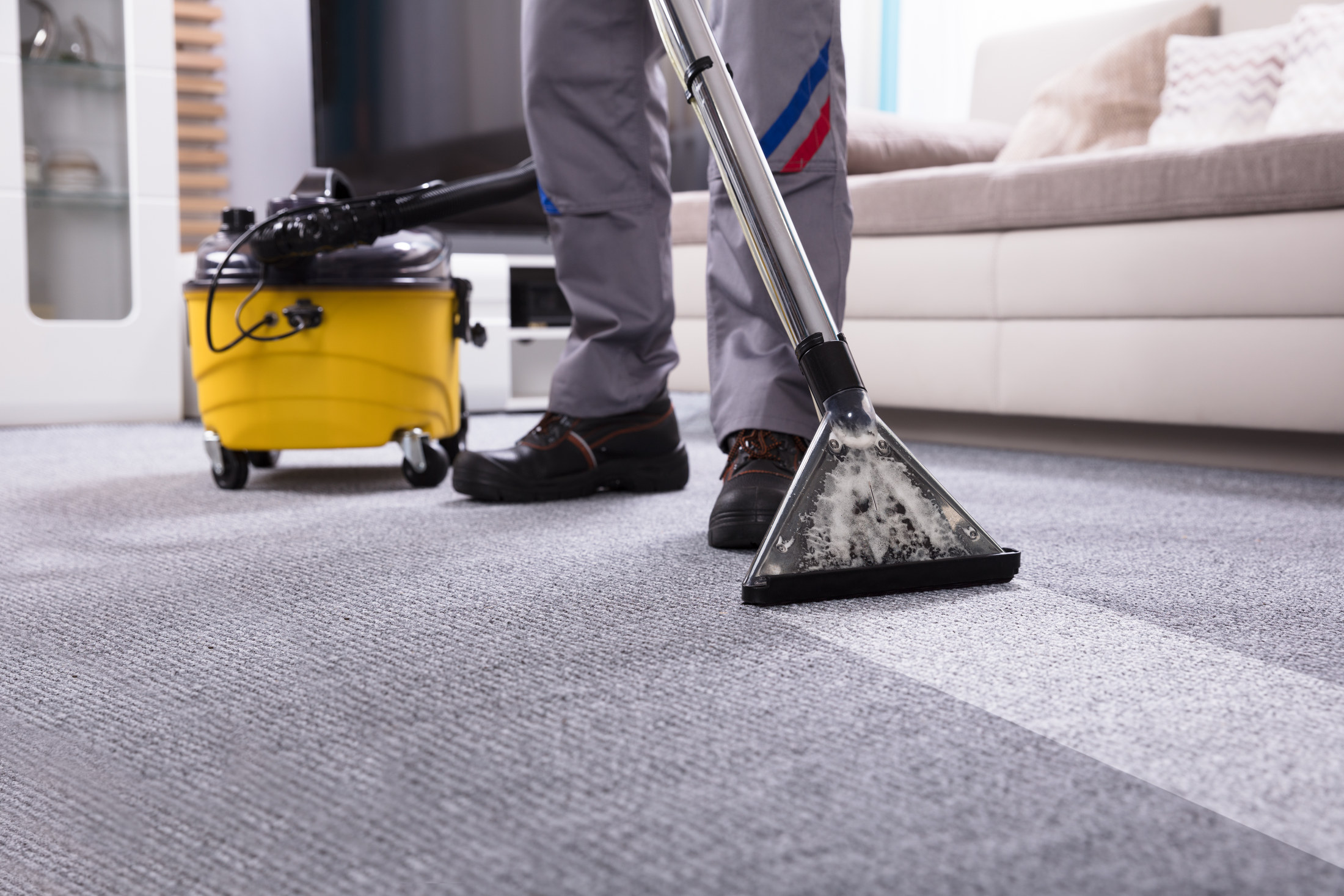
DIY GUIDE · CLEANING · CHECKED OCTOBER 2026
How to deep-clean a fitted carpet yourself
A morning for two rooms. £50–£68 for the hire, detergent and spotter.
Is your carpet suitable, how to treat stains first, the one-pass technique, and fast drying.
- Every step, start to finish
- Checked October 2026 — sources at the end
- Honest about when to call a pro
FIRST, THE HONEST ANSWER
Do it yourself, or get a cleaner?
Do it yourself if…
- The carpet is a cut-pile synthetic or a wool-mix that the label or the shop says can be wet-cleaned
- The dirt is general soiling, traffic lanes and ordinary spills rather than a flood or sewage
- You can move the furniture or at least put it in the middle of the room
- The room can be heated and ventilated so it dries the same day
Get a pro if…
- The carpet is pure wool, a sisal, jute, seagrass, Berber loop, Flotex or a dry-clean-only type
- There is a large urine, vomit or blood problem, or the carpet has been flooded — the underlay may be affected
- Stains have already been treated with household products and spread or changed colour
- Stairs and landings are most of the job and you do not want to work a hand tool on every tread
Safety first
- Carpet detergents and spotters can irritate skin and eyes. Wear gloves when mixing and pre-treating, and never mix two cleaning products.
- Use only the hire machine maker's detergent. The maker warns that laundry detergent and other products damage the machine and possibly the carpet.
- Hot tap water only — the maker warns not to use water hot enough to scald your skin.
- Keep the cable behind you and the plug and socket dry; the machine sprays water and you are walking backwards over a wet floor.
- A full machine and full bucket are heavy. Lift the tanks with bent knees and get help moving heavy furniture.
- Keep children and pets off the wet carpet until it is dry; damp pile is slippery and detergent should not be licked off paws.
| MATERIAL | COVERAGE | FOR THIS JOB |
|---|---|---|
| Machine maker's carpet detergent | 150 ml per tank for one rental model; 225 ml for the wide-track | About two or three tanks for two rooms |
| Spotter or traffic pre-treatment | Suited to your carpet fibre; test first | One bottle |
| Odour treatment (optional) | For pet smells, used in the machine with the detergent | As the label doses it |
How many tanks you will need
36 m² of wall → 6.5 L for 2 coats. Buy about 7 L.
Tanks ≈ carpet area in m² ÷ the area one tank covers. Allow roughly 10 to 12 m² per tank at a single slow pass. Two rooms of 4 × 3.5 m are 28 m², so 28 ÷ 11 ≈ 2.5, so plan on three tanks and buy detergent for three doses.
Heavily soiled carpet uses tanks faster because you pre-treat and go slower. Empty the dirty-water tank every time you refill.
The hire maker lists cut-pile carpets as suitable and wool and shag pile as possible with extra care. Its unsuitable list covers silk and wool oriental rugs, braided and hand-loomed rugs, anything marked dry-clean only, natural matting such as sisal, jute and seagrass, Berber, Flotex and fabrics that are not colourfast. Look at the label on an offcut or the back of a cupboard corner, or ask the shop that fitted it.
A rental upright extraction machine is the strongest you can use at home and comes with a recovery tank you can see filling up. Smaller machines you can buy are fine for spot cleaning and small rooms but take longer to cover a large area. For a whole floor once a year, hire.
Use the machine maker's carpet detergent at the dose it gives — for one rental model, 150 ml in the base tank with hot water, or 225 ml for the wide-track version. Carpet makers advise against washing-up liquid, soaps and general household cleaners on carpet, because they can cause rapid re-soiling, colour bleeding and damage to the pile.
For wool and wool blends, the hire maker says to use lukewarm water only to avoid damaging the fibres. One wool carpet maker recommends products independently certified as safe for wool, and pre-testing anything on a hidden area first.
Treat spills and traffic lanes before the machine goes over them. Use a spotter suitable for your fibre, test it on a hidden area, apply it to a cloth rather than straight onto the carpet, and blot. Water-based spotters must be rinsed out with clean water or they leave a sticky patch that attracts dirt.
Stairs, edges and upholstery need the hand tool attachment, usually an optional extra on the hire — one maker charges £4.99. It is slower but reaches where the upright cannot.
THE PART THAT DECIDES THE FINISH
Preparing the carpet — by what you are cleaning
Find your carpet below and do its prep before you collect the machine. If yours is on the unsuitable list, stop here.
Synthetic cut-pile — polypropylene, nylon, polyester
Most modern fitted carpets.
- Take the furniture out, or gather it in the centre so you clean round the edges first and do the centre last
- Vacuum slowly in two directions, especially the traffic lanes and along the skirting
- Pre-treat doorways and paths with the machine maker's traffic pre-treatment
- Put foil or plastic under any furniture legs that must stay on the carpet
Wool or wool-rich
Often on stairs and in older homes.
- Check the label or ask the fitter whether it can be wet-cleaned at all; if it is pure wool, consider a professional
- Test the detergent on a hidden corner: dampen it, wait a minute or two and blot with white kitchen roll to check for colour transfer
- Plan to use lukewarm water only
- Vacuum with a brush head, not a beater bar, on loop pile
Shag or deep pile
Bedrooms and rugs.
- Vacuum with the brush raised to the highest setting
- Rake the pile upright by hand so the machine can reach the base
- Plan a slower pass and extra vacuum-only passes — deep pile holds more water
- Allow longer drying, with windows open and heating on
Carpet with old stains or pet accidents
The reason most people hire a machine.
- Blot fresh spills immediately with white kitchen roll or cloth, working from the edge inwards; never rub
- Scoop solids off with a spoon first
- Pre-treat with a spotter suited to the stain, tested on a hidden area, applied to the cloth not the carpet
- Note large pet accidents; if the smell comes from the underlay, the machine will not reach it
Stairs and landings
Done with the hand tool.
- Vacuum each tread and riser, pushing the crevice tool into the nosing
- Start at the top and work down so you never kneel on cleaned treads
- Put the machine on the landing, never balanced on a stair
- Keep the hose and cable out from under your feet
Unsuitable carpets
Sisal, jute, seagrass, Berber, Flotex, silk, dry-clean-only.
- Do not wet-clean them with an extraction machine
- Vacuum regularly and blot spills straight away
- Use a dry-powder method only if the carpet maker allows it
- Hire a carpet cleaner who works with that fibre
THE JOB
How to deep-clean a carpet, in order
Clear the room and check the carpet
45 minMove furniture out or into the middle of the room. Check the carpet type against the suitable list and do a colour test on a hidden area with a little detergent solution, blotting with white kitchen roll. Open the windows or plan the heating, so the room can dry quickly once you finish.
- Photograph where the furniture was
- Lift curtains off the floor and pin them up
- If the test cloth picks up colour, stop — the carpet is not colourfast
Mistake to avoid: Skipping the colour test. A carpet that bleeds dye does it across the whole room.
Vacuum thoroughly
30 minVacuum slowly, in two directions at right angles, overlapping each stroke. Spend twice as long on traffic lanes, in front of sofas and along the skirting where grit collects. Empty the vacuum when it is half full so suction stays strong.
- Grit you leave becomes mud under the machine
- Use the crevice tool along every edge
- Change to a brush head on loop pile
Mistake to avoid: Treating the machine as a vacuum. Dry soil turned to sludge by the spray is harder to remove than if you had vacuumed it first.
Treat the spots and traffic lanes
20 minBlot any fresh spill dry, working from the outside of the mark inwards. Apply spotter to a white cloth, not straight onto the carpet, and blot again until no more colour comes off. Spray traffic lanes with the pre-treatment the machine maker sells and leave it for the time on the label.
- Blot, never rub — rubbing frays the pile and spreads the mark
- Rinse water-based spotters out with a cloth and clean water
- Do one stain at a time with a fresh face of the cloth
Mistake to avoid: Rubbing a stain hard with a household cleaner. It spreads the mark, can bleach the dye and leaves a sticky patch that turns grey.
Fill the machine
10 minTake off the clean-looking recovery tank. Fill a bucket with hot tap water — hot but never scalding — or lukewarm for wool. Pour the measured detergent into the base tank, then top it up with the water to the level the maker shows. Refit the recovery tank firmly and check the switch is set to carpet cleaning.
- Detergent in the base tank only, never the recovery tank
- Measure it; overdosing leaves residue that re-soils
- Clean the filter in the recovery tank first if it is clogged
Mistake to avoid: Adding extra detergent for a dirty carpet. It foams, leaves a sticky residue, and the carpet looks dirty again within weeks.
Start in the far corner and walk backwards
40 minPlug in and switch on the vacuum. Tilt the machine back so the brush is off the carpet, press the spray to check solution comes out, then lower it and start from the corner farthest from the door. Hold the spray button and walk backwards slowly in a straight line. Release the spray about a stride before the end of the run, then keep pulling to the wall.
- Slow and steady — the suction needs time to pull the water back
- Overlap each run slightly with the last
- Plan the route so you finish at the door
Mistake to avoid: Pushing the machine forward and back like a vacuum. It is designed to clean on the pull; pushing spreads water without lifting it.
One pass with spray, then vacuum-only passes
20 minThe hire maker designs its machines for one spray pass only. Once an area is done, go back over it without pressing the spray button to lift more water out. The machine recovers about 80% of the water it puts down; the extra dry passes take more and shorten drying.
- Squeeze the carpet with your hand: if water comes up, do another dry pass
- Two dry passes on traffic lanes and deep pile
- Never go over a wet area a second time with the spray on
Mistake to avoid: Spraying over the same patch again because it still looks grubby. Over-wetting soaks the backing, causes a musty smell and pulls stains back up from below.
Empty and refill as you go
10 minWatch the recovery tank. When it is full, or the base tank is empty, switch off, unplug, and empty the dirty water down an outside drain gully that goes to the sewer, or a toilet. Rinse the filter, refill, and carry on.
- Dirty water down a toilet or foul drain, never a road drain
- A full recovery tank stops the suction working
- Rinse the filter until you can see through it
Mistake to avoid: Carrying on with a full recovery tank. The machine sprays but cannot pick up, and the carpet is soaked.
Do the edges and stairs with the hand tool
30 minConnect the hand tool as the maker shows and set the switch to hand-tool use. Work each stair tread and riser from the top down: squeeze to spray, draw the tool towards you, then go over it again without spraying. Finish edges you could not reach with the upright the same way.
- Move the tool back and forth to agitate, then finish with a dry pass
- Keep the machine on the landing
- Rinse the tool head between flights
Mistake to avoid: Soaking stair nosings. They take longest to dry and wear first, and wet nosings are slippery.
Dry the room fast
2–4 hoursOpen windows and doors, put heating on low and use a fan if you have one. The hire maker expects a carpet to be dry in two to four hours, depending on ventilation, temperature and how wet they got. Keep people and pets off until it is dry, and put foil under any furniture legs that go back early.
- Air flow matters more than heat
- Rake the pile upright with your hand or a clean brush while damp
- Do not refit rugs or furniture onto damp carpet
Mistake to avoid: Shutting the room up to keep the heat in. Still, humid air is what makes a carpet smell musty.
Clean the machine and check the result
20 minEmpty both tanks, rinse them and the filter, and wipe the brush. Return the machine clean. Once the carpet is dry, vacuum it to lift the pile, and look at the stained areas in daylight. A stain that has wicked back up can be spot-treated again now.
- Return the machine on time — hire is usually by the day
- Vacuum when dry, not damp
- Note which spots came back for next time's pre-treatment
Mistake to avoid: Vacuuming the carpet while it is still damp. It pulls fibres and can blow damp dust into the motor.
The mistakes that leave carpets worse
- Over-wetting — spraying twice over the same area instead of using vacuum-only passes
- Using laundry detergent, washing-up liquid or too much detergent
- Rubbing stains instead of blotting them from the outside in
- Wet-cleaning carpets on the unsuitable list: sisal, jute, seagrass, Berber, Flotex, silk
Stop here and get a carpet cleaner
- The carpet is pure wool, natural fibre, Berber, Flotex or marked dry-clean only
- The colour test shows dye transfer
- There has been a flood, sewage, or a heavy pet urine problem that has reached the underlay
- A stain has already been treated with household products and has spread or bleached
| WHAT YOU SEE | WHY, AND THE FIX |
|---|---|
| The carpet smells musty after cleaning | It stayed wet too long. Ventilate and use a fan; the hire maker recommends a re-clean with its detergent and odour remover and extra vacuum-only passes. |
| Stains came back as the carpet dried | Over-wetting drew the stain up from the backing. Spot treat again, then do quick passes with extra vacuum-only passes so the backing does not soak. |
| The carpet feels sticky or gets dirty again quickly | Too much detergent, or a household product left in the pile. Do a pass with plain warm water and plenty of vacuum-only passes. |
| Brown patches appeared after drying | Browning from slow drying or from residue wicking to the tips. Re-rinse the area with clean water, extract well, and dry it fast. |
| Rust or white marks under furniture legs | Furniture went back onto damp carpet. Blot with clean water; next time use foil or plastic under the legs until dry. |
| The pile looks flattened or fluffy | Pile was left lying in different directions as it dried, or a wool carpet was cleaned too hot. Brush the pile upright when damp; use lukewarm water on wool. |
| A colour run or patch lighter than the rest | The carpet or a spotter was not colourfast. This needs a professional colour repair; stop treating that area. |
| The machine sprays but leaves the carpet soaking | The recovery tank is full or the filter is blocked. Empty the tank, rinse the filter, and go over the wet area with vacuum-only passes. |
WHAT YOU SAVE
What it costs to do it yourself
| Carpet cleaning machine hire | £27.99 a day |
|---|---|
| Machine maker's carpet detergent | £11–£22 |
| Spotter or pre-treatment | £10.50–£13 |
| Hand tool for stairs (optional) | £4.99 |
| Total, two rooms | £50–£68 |
| DIY total | £50–£68 |
Guide prices compiled by the Locufy team from published Irish and UK provider price lists and 2026/27 cost guides. Updated 2026.
Hire is by the day, so cleaning the whole house in one go costs little more than one room. Detergent is the variable — dose it properly and you need less than you think.
RATHER NOT?
Carpet cleaners near you, with prices shown
The ones who cover your area, nearest first, with one score from every review. No account needed to look.
Or post the job free and let them come to you.
Leave it until it is dry to the touch right down to the base of the pile, then vacuum to lift it before the furniture goes back.
Dirty water goes down a toilet or an inside sink, never a road gully, which runs to rivers. Rinsed detergent bottles go in your council recycling collection; unwanted spotters and odour removers go to the household waste recycling centre.
Vacuum traffic lanes weekly, put mats at outside doors and blot spills at once from the edge inwards.
Once a year for most homes; more often with pets or children. Spot-treat in between, so the annual clean is light.
Deep-cleaning a fitted carpet: questions people ask
The hire machine maker gives two to four hours, depending on ventilation, temperature and how wet it got. Extra vacuum-only passes and an open window shorten it.
No. Carpet makers advise against washing-up liquid, soaps and general household cleaners on carpet, because they cause rapid re-soiling, colour bleeding and damage to the pile. Use the machine maker's carpet detergent.
With extra care: the hire maker says use lukewarm water only on wool and wool blends, and test for colour fastness first. Pure wool and expensive wool carpets are often better left to a professional.
It was over-wetted and dried too slowly. Ventilate and use a fan, and next time spray once and do extra vacuum-only passes.
The Locufy UK price guide puts professional carpet cleaning at £25–£75 per room, typically £45. Stairs, heavy staining and wool carpets cost more.
Most homes once a year, with weekly vacuuming and prompt spot treatment between. Homes with pets or young children may want it twice a year.
MORE GUIDES
More DIY guides
Sources — checked October 2026
- Rug Doctor — how to clean your carpets: preparation, dosing, technique
- Rug Doctor — FAQs: drying time, water recovered, suitable and unsuitable carpets, hand tool
- Rug Doctor — how to avoid over-wetting your carpets
- Cormar Carpets — wool carpet care guide: spot removal rules
- HSE — safe use of cleaning substances (CAIS22): gloves, never mix
- B&Q — price check: carpet shampoo and machine hire, October 2026
- GOV.UK — recycling collections: find your council