ELECTRICAL · 5 MIN READ
Solar battery grant: €600 SEAI top-up now live
SEAI's €600 solar battery grant is live since 6 October 2026 on top of the €1,800 solar grant. EV VRT relief to 2028, €300 charger grant, storm advice.
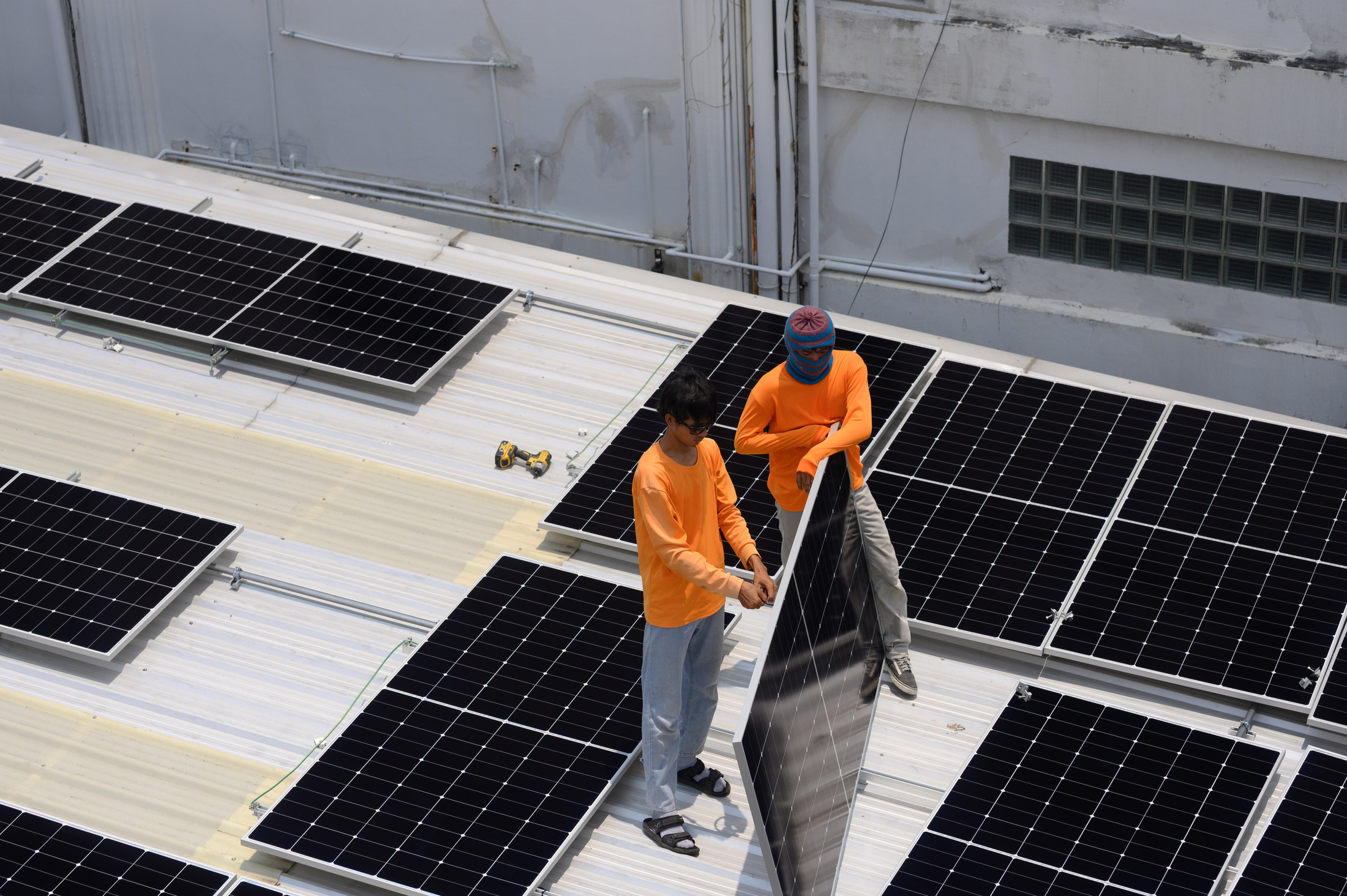
Since 6 October 2026 households installing solar panels can claim a new grant of up to €600 for a home battery, on top of the existing SEAI solar PV grant of up to €1,800. It is the first State support for home batteries since SEAI withdrew battery grants in 2022.
What the new grant covers
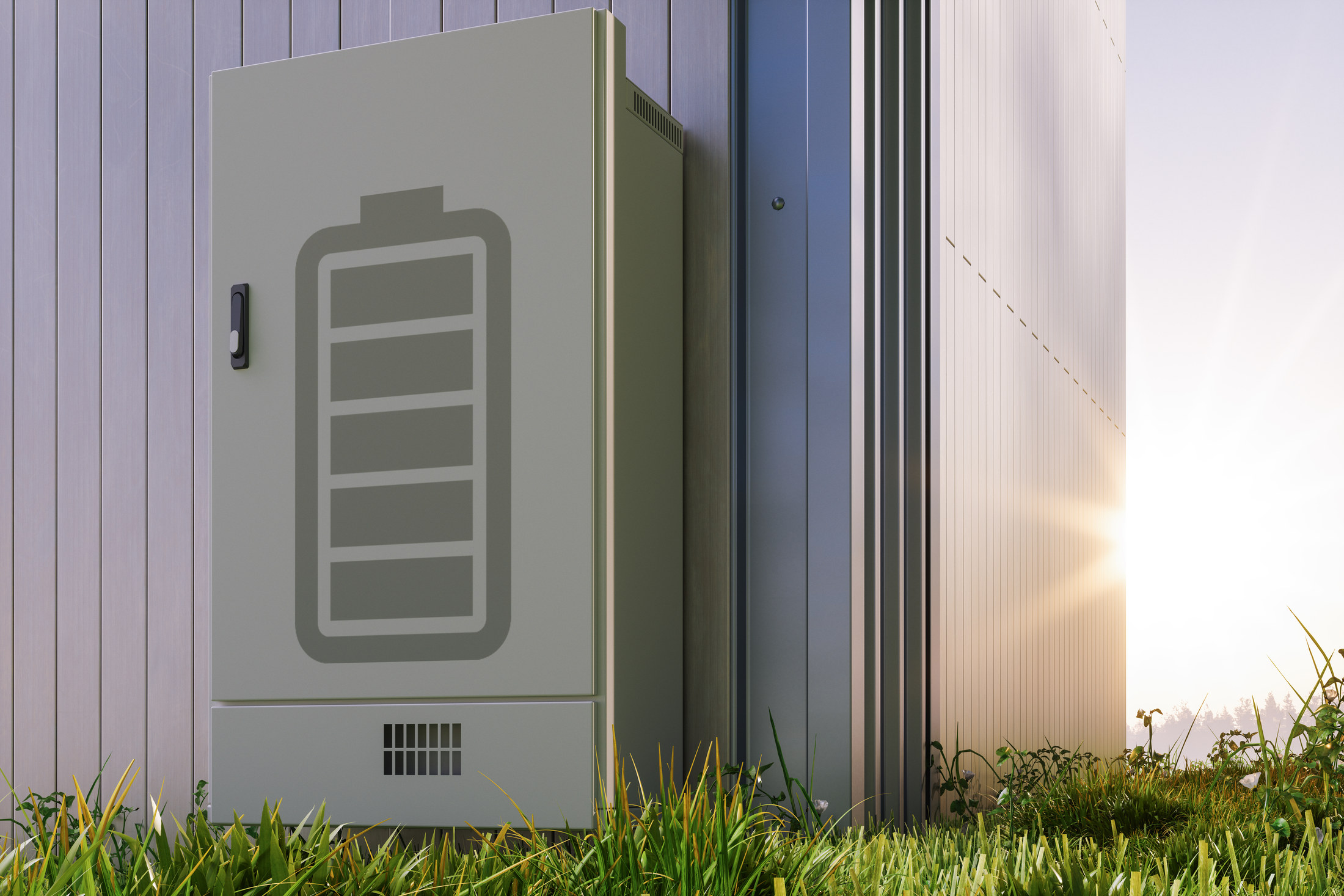
SEAI's solar electricity grant page now lists a flat €600 battery storage grant alongside the PV grant, which pays €900 per kWp for the first 2 kWp and €300 per additional kWp up to 4 kWp when a battery is fitted. Its worked examples show a 3 kWp system with battery receiving €2,100 plus €600, and a 4 kWp system with battery receiving €2,400 plus €600.
The conditions on SEAI's page: use an SEAI-registered solar PV company, do not start work before the grant offer, get a post-works BER (its cost is covered), and allow at least four weeks for your installer's ESB Networks application. Grant offers are valid for eight months and payment takes up to six weeks after the claim.
ESS News, reporting the Government package, said the solar grant extends from 6 October to homes built and occupied before 2025, that lower-income households can get up to €9,000 for solar and batteries, and that medically vulnerable households have systems fully funded, capped at 5 kWh of battery and 4 kW of PV. Confirm your own home's eligibility with SEAI before signing anything.
Why demand is running hot
The Irish Times reported on 15 October that SEAI received more than 31,000 solar PV grant applications in the first seven months of 2026, up 76% on the same period last year, and that more than 200,000 Irish homes now have panels. The paper put the typical cost for an average home at €6,000 to €9,000 after the grant, with payback of five to eight years.
Exported electricity earns about 19.5 cent per kWh under the Clean Export Guarantee, against a standard import charge of 36 to 45 cent, and up to €400 a year in export income is tax-free. Panels, inverters, batteries and wiring supplied and fitted under one professional contract carry 0% VAT.
The Department of Energy calculated that a 4 kWp system with a battery could save up to €900 a year, the Irish Times reported on 25 September; batteries typically cost over €4,000.
Electric cars: VRT relief to 2028, 1% rise on the rest
Budget 2027 extended VRT relief of up to €5,000 for qualifying electric vehicles to 31 December 2028, according to Forvis Mazars' Budget analysis. From 1 January 2027, VRT rates on Category A CO2 bands 3 to 20 rise by 1%, which affects most petrol, diesel and hybrid cars.
SIMI figures reported by RTÉ on 2 November show 1,092 new battery electric cars registered in October, up 55% on October 2025, and 36,270 so far this year, up 57%. Battery electric cars hold 27.74% of the new car market, and SIMI's Emma Mitchell said BEVs "are now the most popular powertrain for Irish new car buyers so far this year".
Home charger grant: €300, no EV required
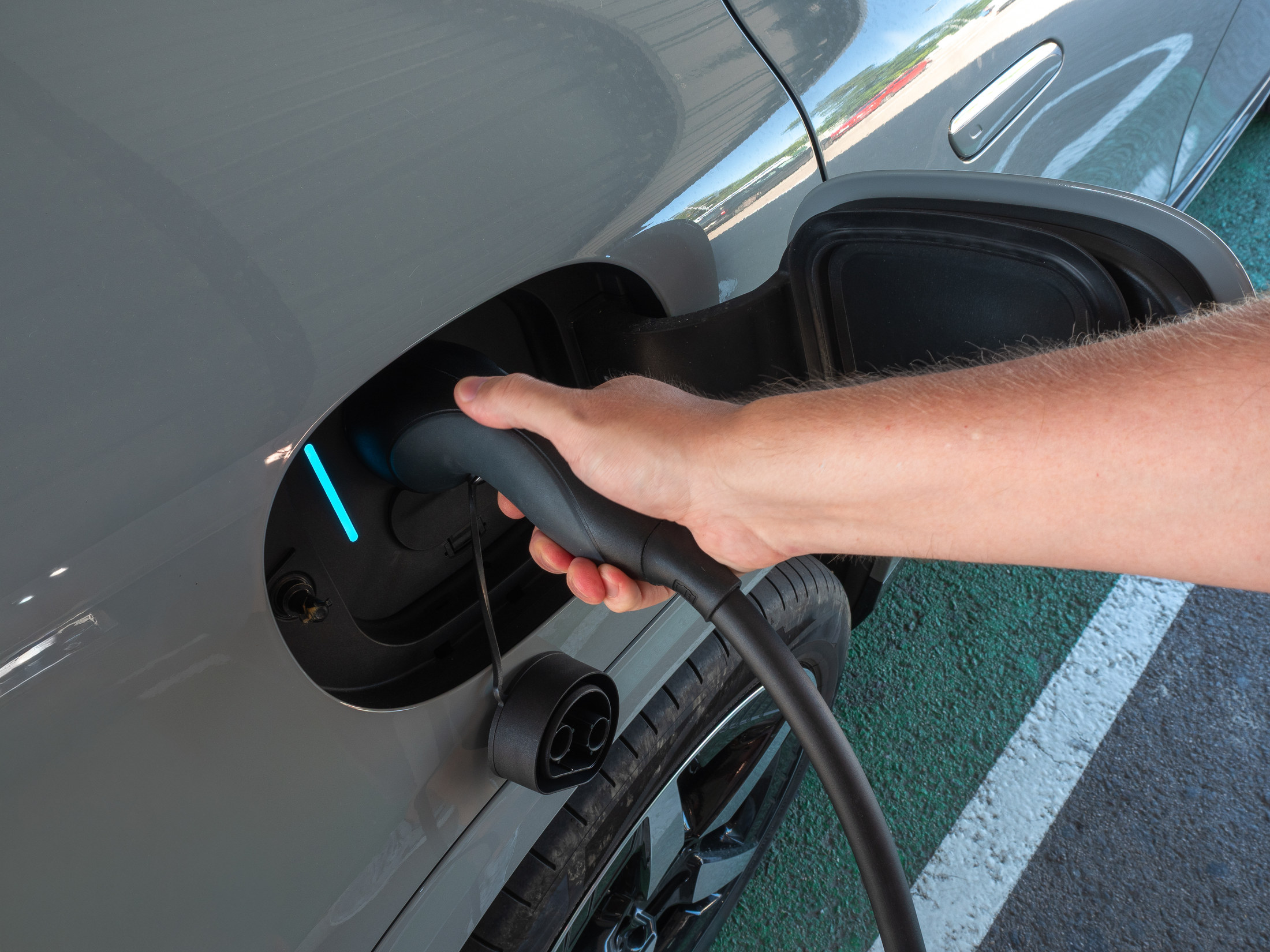
SEAI's EV home charger grant pays 100% of installation costs up to €300 for a smart charger, and you do not need to own an electric car to apply. The property must be a private home with its own off-street driveway, one charger per MPRN, with no previous charger grant.
The work must be done by a Safe Electric registered electrician to I.S. 10101 and certified with a Certificate No. 3 and test record sheet. Only chargers on SEAI's Smart Charger Register qualify, you have six months from the letter of offer to finish, and earthing or meter-tail upgrades are not covered.
Storm power cuts: what the October storms showed
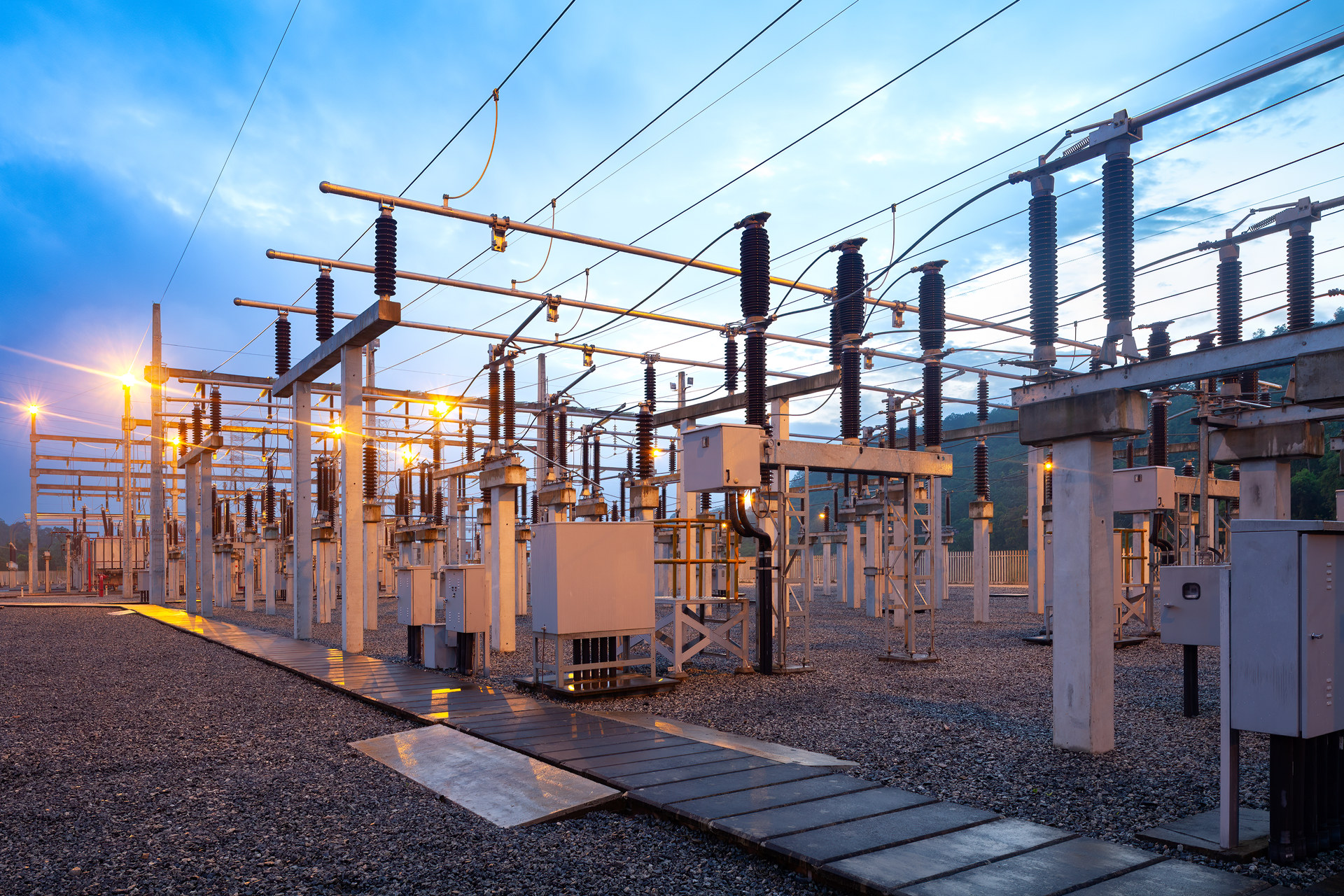
About 3,000 homes, farms and businesses were without power on the morning of 23 October after Storm Austen, the Irish Examiner reported, with ESB Networks crews deployed across the affected areas. The Irish Times live blog put more than 1,500 of those in Cork, almost 1,200 of them around Ballydehob.
Storm Boelo followed on 24 and 25 October with orange wind warnings for Donegal, Leitrim, Mayo and Sligo; Insurance Business reported around 5,000 premises still without power on the evening of 25 October, mostly in the north-west.
Safe Electric, sponsored by the Commission for Regulation of Utilities, keeps the register of Registered Electrical Contractors and audits them; its advice is to always use a REC at home and to ask for the Completion Certificate when the job is finished.
What it means for you
If you are pricing solar, get two or three written quotes for panels and a battery under one contract, so the 0% VAT and both grants apply, and ask each installer to confirm your home's eligibility and handle the SEAI application. Have the battery sized to your evening usage rather than the grant cap.
If you are buying an electric car before the January VRT changes, apply for the €300 charger grant before work starts and book a Safe Electric registered electrician now. If you depend on power for medical equipment or a well pump, ask about a properly wired changeover switch for a generator or battery rather than an extension lead.
For providers: quote solar and battery as one itemised contract with the grant amounts shown, put your SEAI and Safe Electric registration numbers on every quote, and give honest lead times. Expect enquiries for charger installs, surge protection and back-up supply through November, and tell customers the Completion Certificate is part of the job. You can list your electrical or solar business on Locufy so local customers can find you.
Key dates
- 6 October 2026: €600 battery grant and wider solar eligibility in force
- 1 January 2027: VRT up 1% on Category A CO2 bands 3 to 20
- 31 December 2028: end date for EV VRT relief of up to €5,000
Sources
- ESS News — Ireland introduces €600 residential battery grant
- SEAI — Solar Electricity Grant
- The Irish Times — Growing popularity of solar panels driven by solid returns at a time of uncertainty
- The Irish Times — Grant of €600 for solar panel batteries set to be announced in budget
- Forvis Mazars — Indirect tax: Budget 2027
- The Irish Times — Budget 2027 main points
- RTÉ — New electric car registrations continue to power upwards
- SEAI — Electric Vehicle Home Charger Grant
- Safe Electric — Home
- Irish Examiner — All eyes turn to Storm Boelo as fresh orange and yellow warnings issued for weekend
- The Irish Times — Storm Boelo latest: Ireland braces for 'damaging' second storm as Met Éireann issues new orange warnings
- Insurance Business — Storm Boelo: back-to-back storms test claims and cover
FOLLOW ELECTRICAL
One email a month — the electrical piece, the day it goes out. One tap to stop.
Comments 0
Signed-in Locufy customers and providers only. Comments close 30 days after publication. Report anything that names a person unfairly — we act on every report.
MOST READ THIS MONTH
FOLLOW A SECTION
Pick your sections. The month's piece arrives the day it goes out.
Nothing is pre-ticked. Choose one section or all 20; you get at most one email per section per month.
One email per section per month, the day the piece goes out. Stop in one tap. Privacy.