HOW TO HIRE · CLEANING · CHECKED OCTOBER 2026
How to hire a fire damage specialist in the UK
The checks, the questions and the paperwork.
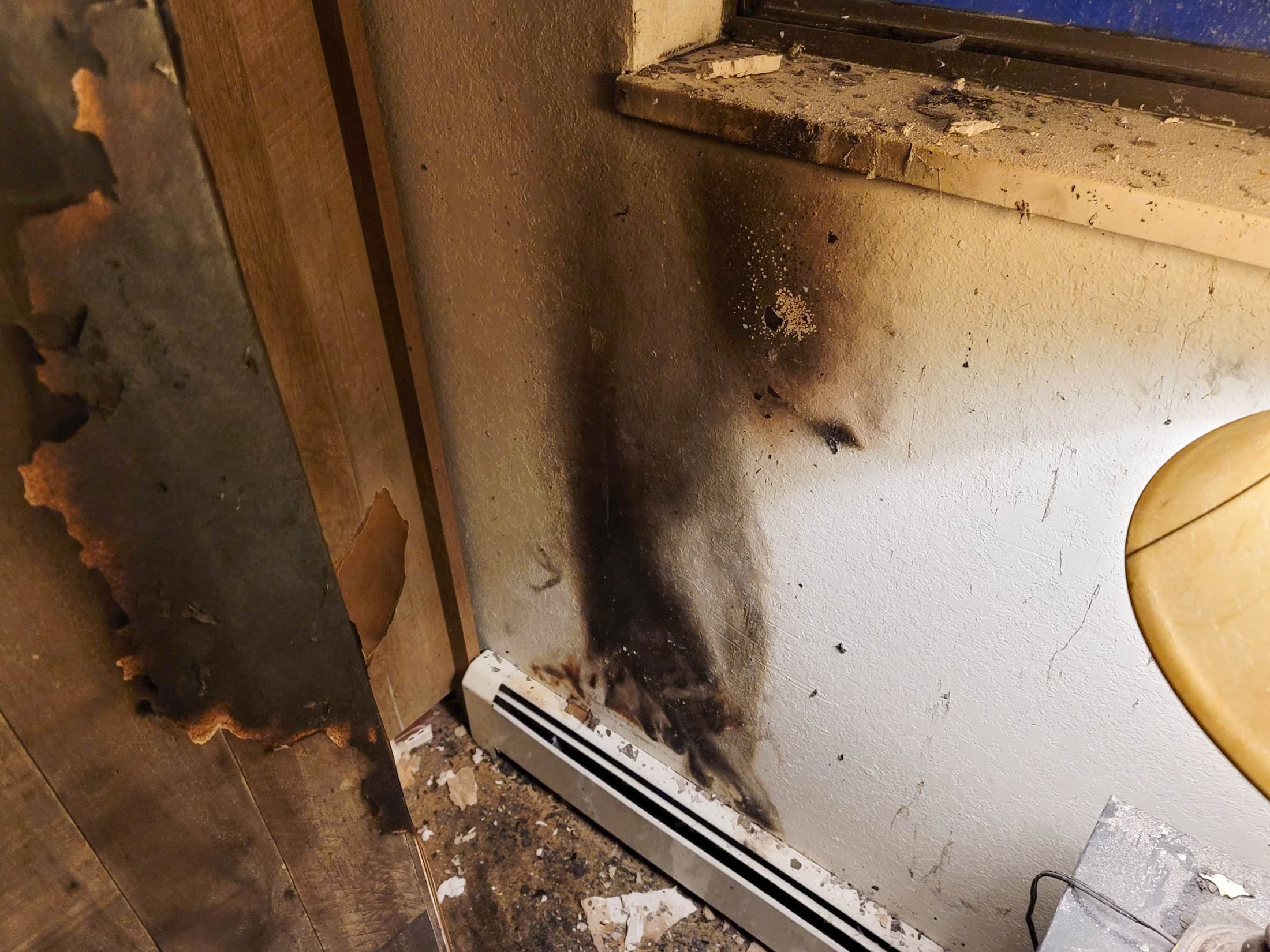
No register applies to fire damage restorers, but asbestos, waste carrier rules and building regulations often do. The checks to make.
- Search and compare — no account needed
- Nearest to you first
- One score from Google, Trustpilot and Locufy reviews
THE 60-SECOND VERSION
Hiring a fire damage specialist in five steps
- Talk to your insurerThe loss adjuster agrees the scope.
- Asbestos checkBefore damaged material is stripped in an older home.
- Waste carrierFor anything taken away.
- Building approvalFor structural rebuilding.
- Photograph everythingBefore work starts.
BEFORE YOU BOOK
Check before you book
No register applies
No licence or register applies to fire damage restorers in the four nations; the work is regulated where it touches asbestos, waste and building.
Ask for a written scope of the fire damage clean-up and who agreed it with your insurer.
Asbestos
Under the Control of Asbestos Regulations 2012, and Northern Ireland's own 2012 Regulations, sprayed coatings, lagging and most asbestos insulating board may only be removed by an HSE-licensed contractor. Fire can damage materials that contain it.
For a home built or refurbished before 2000, ask how asbestos will be identified before the fire damage clean-up strips anything. hse.gov.uk →
Waste carrier registration
Fire-damaged contents and building material taken away is waste: the carrier must be registered with the Environment Agency, Natural Resources Wales, SEPA or DAERA, and asbestos waste is hazardous waste, not household waste.
Ask for the waste carrier number before anything leaves the property. gov.uk →
Building regulations and CDM 2015 for rebuilding
Structural rebuilding after a fire is building work: in England it needs building regulations approval from building control or a registered building control approver, in Scotland a building warrant where needed, in Northern Ireland council building control. For work on your own home, HSE says your client duties under CDM 2015 pass to the contractor, or to the principal contractor where several trades are involved.
Ask who applies for approval for the rebuild, and get the reference. On a large fire damage clean-up, ask who is acting as principal contractor. gov.uk →
VAT
Fire damage restoration is standard-rated, so the VAT is 20%. A restoration business over the £90,000 threshold must be registered, charge the 20% on cleaning and rebuilding alike, and show it separately for the insurer.
Ask for the VAT number; your insurer will want the 20% shown apart from the restoration price on every invoice. gov.uk →
A good answer: Yes, with the loss adjuster.
A good answer: A survey in older homes, and a licensed contractor where needed.
A good answer: A registered carrier, named.
A good answer: A named person and a reference.
A good answer: Fogging, ozone or air scrubbing, explained.
A good answer: Public liability, insurer named.
Getting the quote right
- Scope agreed with the insurer
- Asbestos survey and removal, if needed
- Soot cleaning and odour treatment
- Waste removal and the carrier's number
- Rebuilding and approvals
- Who actually attends each stage (soot, odour, strip-out, rebuild), and whether they are employed or subcontracted
- The VAT number, with VAT at 20% shown on its own line so the insurer can settle it
Walk away if
- Strips out an older home with no asbestos check
- No waste carrier number
- Rebuilds with no building approval
- Pressure to sign before the insurer agrees the scope
What a fire damage specialist costs: £1,500–£50,000 per job
Fire damage restoration is priced per job, usually agreed with the insurer; rebuilding is separate. Fire Damage Cleaning price guide →
Guide prices compiled by the Locufy team from published Irish and UK provider price lists and 2026/27 cost guides. Updated 2026.
KNOW WHAT TO LOOK FOR? NOW FIND ONE
Fire damage specialists near you, with the badges that matter shown
ID checked, trader status and one score from every review — on the card, before you message anyone. Nearest first. No account needed to look.
Or post the job free and let them come to you.
- Assess and secureDamage surveyed and the property secured.
- Asbestos checkBefore stripping in an older home.
- CleanSoot cleaned from surfaces and contents.
- Odour and dryingSmell treated, water dried out.
- RebuildStructural work approved and signed off.
- Loss adjuster
- Appointed by the insurer to assess the claim.
- Thermal fogging
- A fog that neutralises smoke odour.
- Asbestos insulating board
- A board that may need a licensed contractor to remove.
- Hazardous waste
- Waste such as asbestos that has its own disposal rules.
- Completion certificate
- Building control's sign-off for building work.
- Principal contractor
- The contractor in charge where several trades work.
AFTER
When the job is done
Hiring a fire damage specialist: questions people ask
No. No licence or register applies, but some asbestos removal needs an HSE-licensed contractor.
Yes, for structural building work; in Scotland a building warrant where needed.
A registered waste carrier; asbestos is hazardous waste.
£1,500–£50,000 per job, with about £10,000 a typical claim. The fire damage cleaning price guide has the detail; enter your town above for specialists near you.
Usually your insurer's loss adjuster.
A few days for smoke damage; weeks to months where the structure is damaged.
MORE GUIDES
More hiring guides in cleaning
Fire damage specialists near you
Sources — checked October 2026
- HSE — deciding if asbestos work must be done by a licensed contractor
- Control of Asbestos Regulations (Northern Ireland) 2012
- HSE — asbestos: frequently asked questions
- gov.uk — register as a waste carrier, broker or dealer (England)
- gov.uk — building regulations approval (England)
- mygov.scot — if a builder is doing the work for you
- HSE — CDM 2015: domestic clients
- Consumer Rights Act 2015, section 49 — reasonable care and skill
- Citizens Advice — more help with a consumer issue (England)
- VAT rates — VAT rates for goods and services: standard rate 20% on most goods and services
- GOV.UK — Register for VAT: when to register