TRADES · 4 MIN READ
Construction: 10,154 homes built in Q3, levy waiver ends
Construction in Ireland: CSO Q3 completions of 10,154, Geowox prices, Help to Buy €35,000, the levy waiver ending 31 December 2026 and diesel at €2.14.

Builders finished 10,154 new homes in Ireland between July and September 2026, up 10.4% on the same quarter last year, the Central Statistics Office reported on 29 October, bringing completions for the first nine months to 26,833 against 24,256 in 2025.
Completions up, but the target is still 50,000
RTÉ reported that housing estates drove the quarter, with scheme completions up 13.5%, apartments up 9.8% and one-off houses up 2.1%. The rolling 12-month total is now 38,589 homes, and economists forecast 39,000 to 40,000 for 2026, which Deloitte Ireland chief economist Kate English said would be the highest since 2008. She warned that rising energy prices and interest rate pressure could affect construction.
Housing Minister James Browne said he was "taking nothing for granted". Sinn Féin's Eoin Ó Broin said the figure "is significantly off the annual average of 50,000 required to meet the overall target out to 2030".
Levy and water-connection waiver ends 31 December
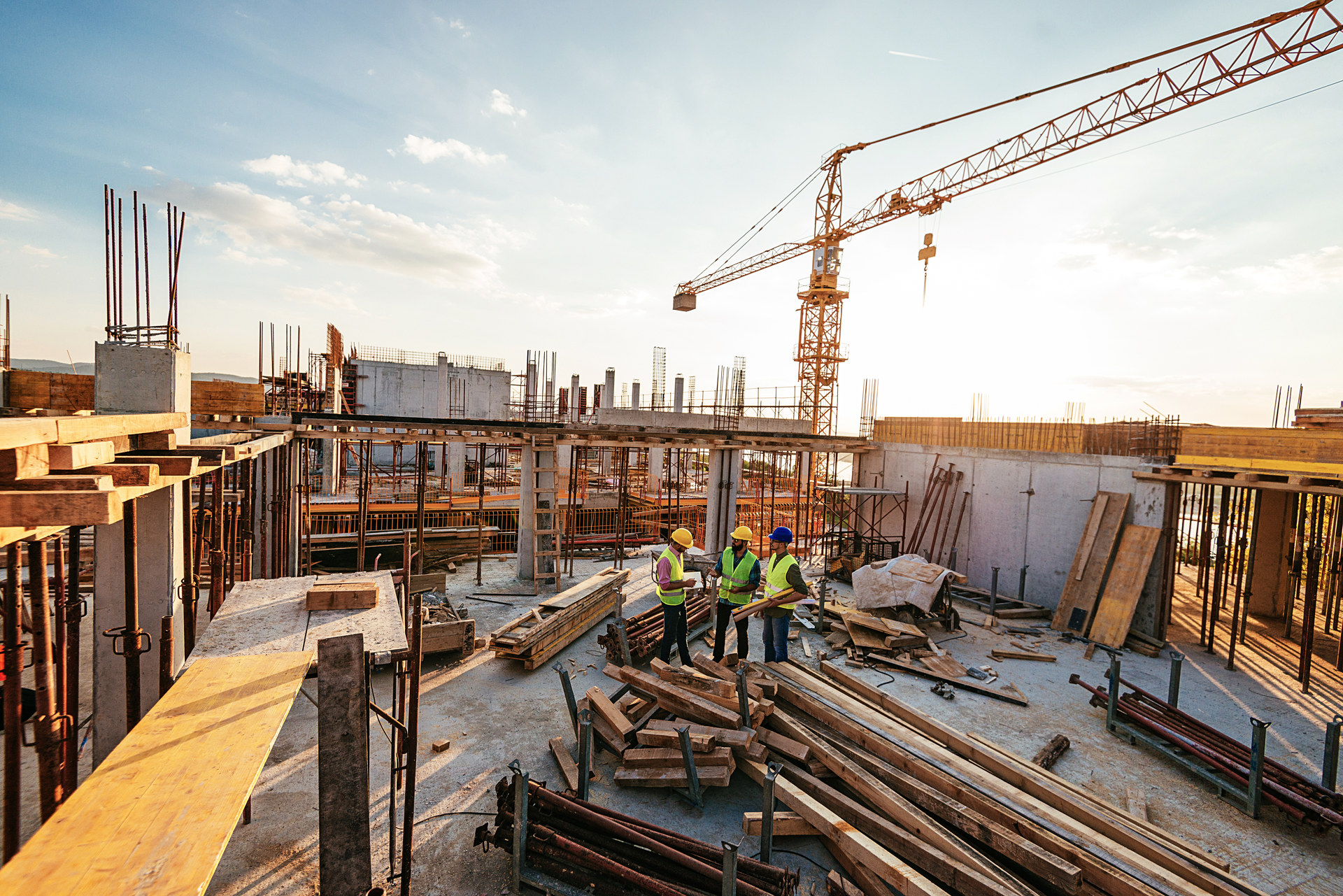
The temporary waiver of development contributions and water connection charges, introduced in 2024 and currently paid by the State, will not be extended into 2027, Mr Browne told RTÉ on 30 October. Homes must be completed by the end of 2026 to qualify, so sites across the country are pushing to finish in the last two months of the year.
That means finishing trades, including plasterers, electricians, plumbers, tilers, painters and landscapers, are under pressure in November and December, and small jobs may be harder to book until January.
Prices: €406,000 median, new homes at €460,000
Geowox's Q3 2026 report, published on 4 November and covering close to 15,000 Property Price Register sales, put the national median price at €406,000, up 5.2% on a year earlier. Dublin's median of €500,000 was "broadly flat on a year earlier", while outside Dublin the median rose 5.6% to €360,000, TheJournal.ie reported.
New homes had a median of €460,000 against €375,000 for existing homes, with new-home sales up 9.4% and existing-home sales down 2.2%. Among existing homes, those rated BER A or B sold for a median €466,000 against €370,000 for C to G, a premium of €96,000 or 25.9%, which is the clearest price signal yet for retrofit and energy-upgrade work.
Help to Buy at €35,000 and a lending bill for small builders
Budget 2027 raised the Help to Buy ceiling for first-time buyers by €5,000 to €35,000 from 7 October 2026, with the €500,000 property value limit unchanged, the Irish Times reported.
On 27 October, RTÉ reported that Tánaiste and Minister for Finance Simon Harris was bringing proposals to Cabinet to let Home Building Finance Ireland lend to builders to buy zoned residential land before planning permission is granted. HBFI research found that more than 90% of homebuilders deliver fewer than 50 homes a year, and the change would affect around 900 smaller developers. If approved, the bill goes to pre-legislative scrutiny.
Costs: diesel at €2.14, materials still rising
The European Commission's Weekly Oil Bulletin put Irish diesel at €2.14 a litre and petrol at €1.97 on 19 October, with diesel up 10.7% from €1.93 since 31 August, fuel-prices.eu reported. Budget 2027 postponed the restoration of full fuel excise, due on 1 November, to 28 February 2027, with four phased increases to 30 June 2027.
The AIB Ireland Construction PMI for September, published 13 October, fell to 50.4 from 50.7, with housing activity falling, input cost inflation at a three-month high on fuel and transport costs, and employment down for the first time in 11 months. In the Construction Industry Federation's Q2 2026 outlook survey of 138 firms, 94% reported higher raw material costs and 96% expected further rises; CIF chief executive Andrew Brownlee said "cost pressures and structural constraints are increasingly impacting delivery".
Labour costs rise too. The national minimum wage goes up 79 cent to €14.94 an hour on 1 January 2027, and the employer PRSI higher-rate threshold rises from €552 to €600 a week.
Apprentices: 3,017 waiting more than six months
Figures obtained by Sinn Féin TD Donnchadh Ó Laoghaire through a parliamentary question showed that, to the end of June 2026, 3,017 craft apprentices had waited more than six months for their next off-the-job training phase and 454 had waited more than a year, the Irish Examiner reported on 21 August. The median time to certification for craft apprenticeships was 227 weeks in 2025.
SOLAS said it had scheduled 2,482 Phase 4 and 1,374 Phase 6 places since the end of June. Until the backlog clears, qualified electricians, plumbers and carpenters remain scarce, and lead times and day rates stay high.

What it means for you
- If you are buying a new home, confirm with the developer that it will be completed by 31 December 2026; after that the levy and connection costs return.
- First-time buyers: the Help to Buy limit is now €35,000 on homes up to €500,000.
- Planning an extension or renovation in 2027: get quotes now, because material and fuel costs are rising and the minimum wage goes up in January.
- Selling an older house: Geowox's figures show a BER A or B rating is worth a €96,000 median premium, so price an insulation or heating upgrade against that.
- Compare traceable local builders and trades with reviews on Locufy before committing to a deposit.
For providers: build the February excise increase and the January wage rise into quotes that run into 2027, put a validity date on every quote, tell customers early if a job cannot start before the New Year, and keep the levy-waiver deadline in mind when scheduling finishing work.
Key dates
- 7 October 2026: Help to Buy limit rose to €35,000
- 31 December 2026: development levy and water connection waiver ends
- 1 January 2027: minimum wage €14.94; employer PRSI threshold €600
- 28 February 2027: first phase of fuel excise restoration
- 30 June 2027: full fuel excise restored
Sources
- RTÉ — Third quarter home completions (29 Oct 2026)
- RTÉ — Minister rules out extension to developer levy waiver (30 Oct 2026)
- TheJournal.ie — House prices in Dublin 'broadly flat' with median home costing €500k (4 Nov 2026)
- RTÉ — Legislation to let Home Building Finance Ireland lend to smaller homebuilders (27 Oct 2026)
- Irish Times — Budget 2027 main points (6 Oct 2026)
- Irish Times — When Budget changes kick in and how to claim them (7 Oct 2026)
- RTÉ — At a glance: key points from Budget 2027 (6 Oct 2026)
- fuel-prices.eu — Ireland fuel prices weekly recap, 19 Oct 2026
- Trading Economics — Irish AIB construction activity grows for 3rd month (13 Oct 2026)
- CIF — Construction Outlook Quarter 2: stable outlook but cost pressures weigh on growth (3 Jun 2026)
- Irish Examiner — Craft apprentices waiting more than six months for off-the-job training (21 Aug 2026)
FOLLOW TRADES
One email a month — the trades piece, the day it goes out. One tap to stop.
Comments 0
Signed-in Locufy customers and providers only. Comments close 30 days after publication. Report anything that names a person unfairly — we act on every report.
MOST READ THIS MONTH
FOLLOW A SECTION
Pick your sections. The month's piece arrives the day it goes out.
Nothing is pre-ticked. Choose one section or all 20; you get at most one email per section per month.
One email per section per month, the day the piece goes out. Stop in one tap. Privacy.