HOME REPAIRS · 5 MIN READ
Home repairs: storm damage, rogue traders, 45 m² extensions
Home repairs after Storms Austen and Boelo: Garda rogue-trader warnings, 45 m² extension and 30 m² garden room exemptions, and Part J stove fines.
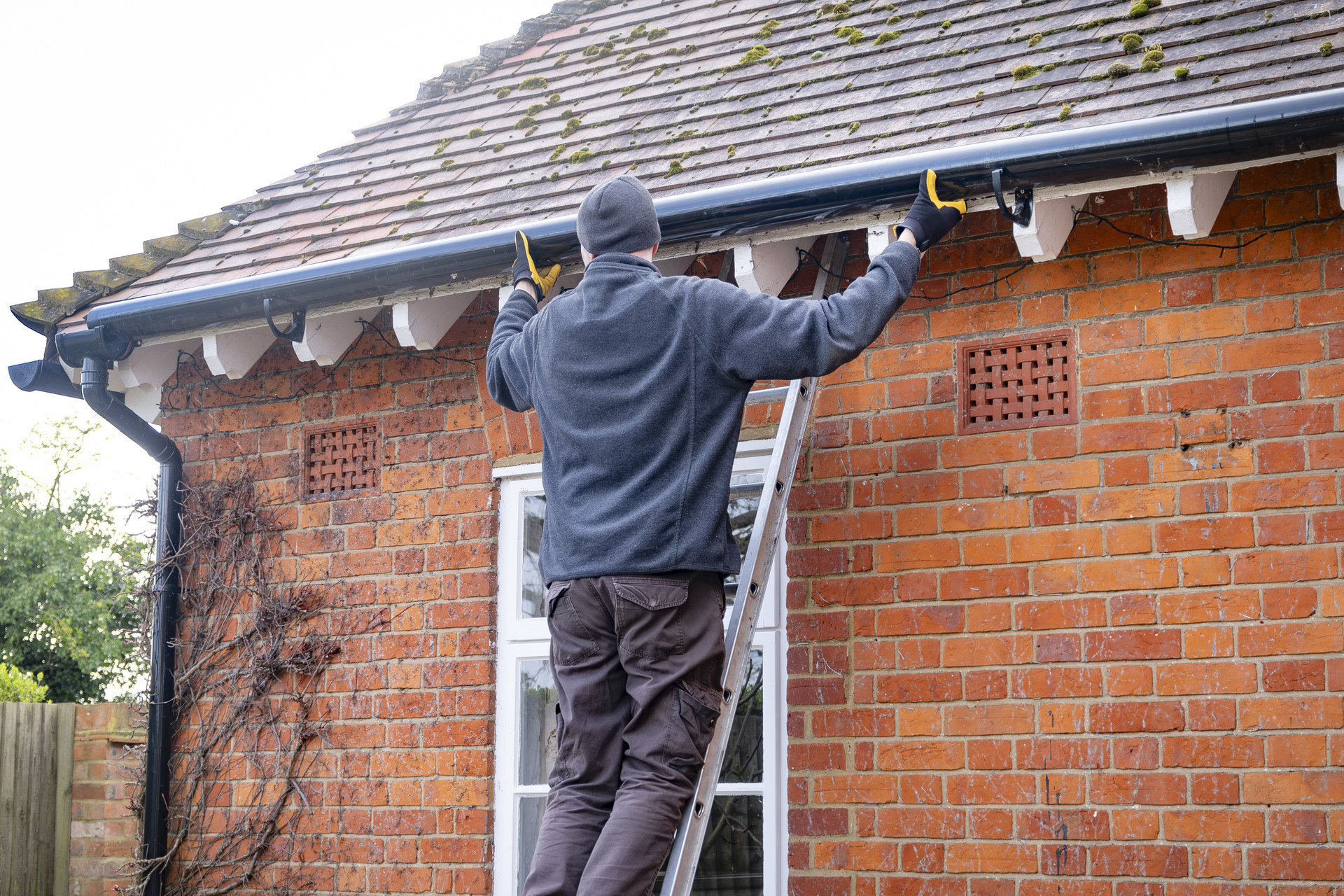
Cork County Council logged more than 40 fallen trees and branches and Waterford crews dealt with over 30 blocked roads and footpaths after Storm Austen on 23 October, and within a week Gardaí in Sligo and Kerry had issued fresh warnings about bogus tradesmen calling to doors offering repairs.
The storm damage that still needs fixing
Storm Austen brought up to 60 mm of rain to parts of Co Cork overnight on 22–23 October, the Irish Times live blog reported, with trees down on ESB wires at Fusia Hill and on regional roads near Cloyne and Banteer. ESB Networks said around 3,000 homes, farms and businesses were without power that Friday morning, the Irish Examiner reported.
Storm Boelo followed on 24–25 October with orange wind warnings for Donegal, Galway, Leitrim, Mayo and Sligo and an orange rain warning for Kerry, where Met Éireann said damage to homes and businesses was expected. Around 5,000 premises were still without power on the Sunday evening, Insurance Business reported.
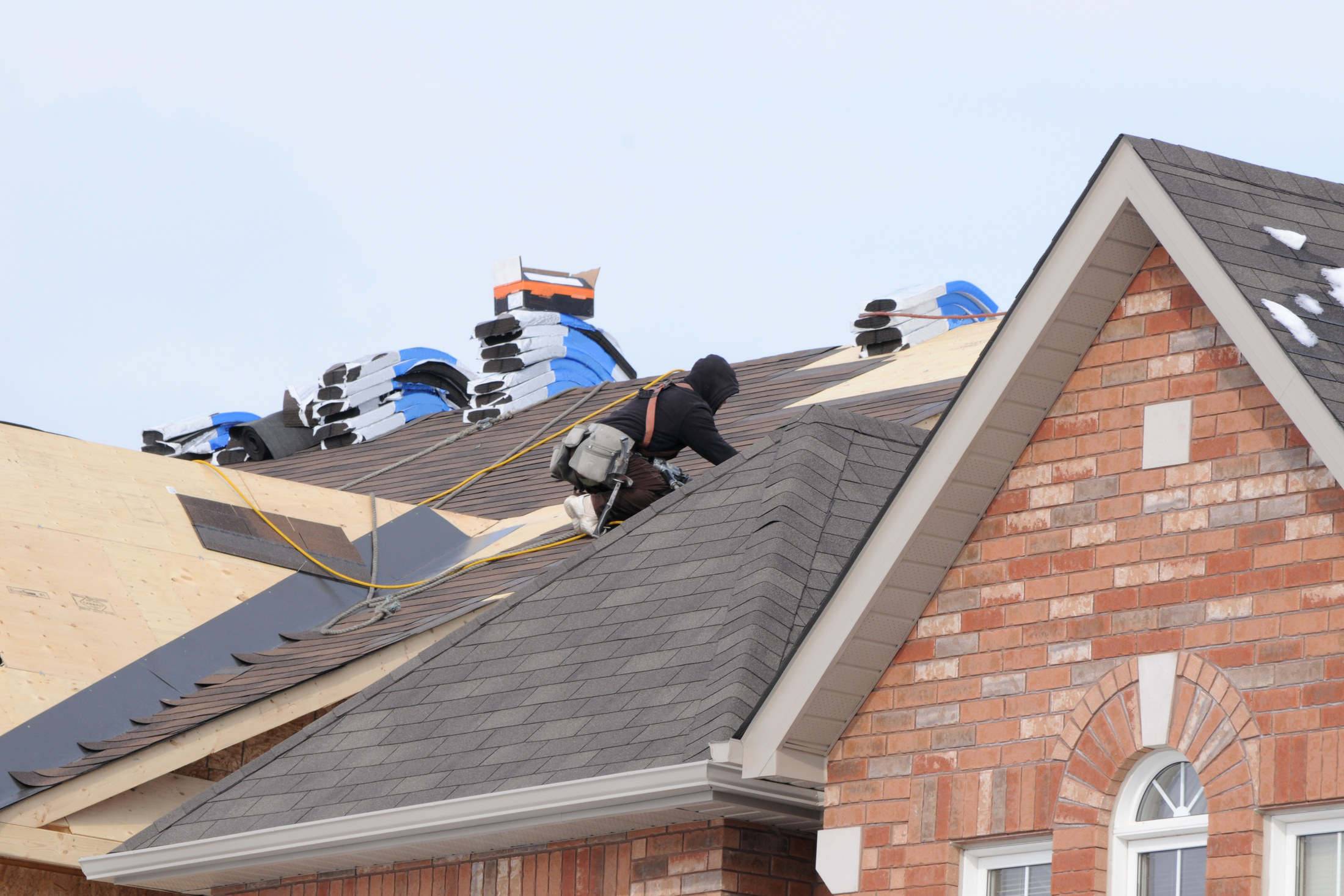
Slipped slates, torn felt, blocked gutters and leaning fences are the jobs now being quoted across Munster and Connacht. Insurers' advice, set out by Insurance Business on 26 October, is to photograph damage first, keep receipts for emergency repairs and record which storm caused what, because two storms can mean two policy excesses.
Gardaí: do not deal with cold-callers
Gardaí in Sligo warned on 28 October that bogus callers and rogue traders are active at the start of winter, offering power washing, painting or goods, and target "the more vulnerable and people who live alone". Use a chain lock, do not open the door until you are sure who it is, and ring 999 or 112 with a description and the vehicle registration.
In Kerry, Inspector Gary Carroll said on 19 October that "there have been several reports of bogus tradesmen targeting elderly people in rural areas of Kerry in recent weeks". He said the callers "carry out poor quality work, demand exorbitant payment, and sometimes steal from the victim".
Planning exemptions: 45 m² extensions, 30 m² garden rooms
The Planning and Development (Exempted Development) Regulations 2026 came into effect on 27 July 2026, and they are still the biggest driver of extension and garden-room enquiries. The limit for a rear extension without planning permission rose from 40 m² to 45 m², and the limit for a detached garden structure such as a home office, gym or shed rose from 25 m² to 30 m².
The conditions matter. Under SI 338/2026, any part of an extension above ground level is capped at 12 m² for a terraced or semi-detached house and 20 m² for a detached house, it must be at least 2 m from any party boundary, and at least 25 m² of private open space must remain. Garden structures cannot stand forward of the front wall, are limited to 4 m high with a pitched tiled or slated roof or 3 m otherwise, and cannot be used for human habitation.
The regulations also exempt dormer roof boxes and rooflights on the principal dwelling, subdividing a house into one extra self-contained unit of at least 32 m², and, according to MyHome.ie, bin and bike storage and external insulation at the front of a house.

Granny flats and the rent-a-room link
The new rules allow a detached auxiliary dwelling of between 32 m² and 45 m² to the rear of the principal house, linked to its services, without planning permission. The Department of Housing said in April that all relevant Building, Building Control and Fire Regulations still apply and that the exemptions will be reviewed after 18 months.
Budget 2027 tied this to tax: the rent-a-room relief threshold rises to €16,000 from January 2027 and, the Irish Times reported, "will be extended to include newly installed detached auxiliary dwellings". Minister for Housing James Browne said in July the units could house carers, students and workers, and owners may charge market rents, the Irish Examiner reported.
Drainage, fire separation, insulation and ventilation standards still apply, the original house's planning permission may carry conditions that remove the exemption, and you should ask your council whether a notification form applies before work starts.
Stoves and boilers: Part J fines
Chill Insurance reminded homeowners on 26 March 2026 that heating appliances, including stoves, boilers and fireplaces, must be installed in line with Part J of the Building Regulations, which covers air supply, carbon monoxide safety, chimneys and flues, maintenance records and fuel storage.
For less serious breaches, fines can reach €5,000 and/or six months' imprisonment, plus €500 per day while the breach continues; serious cases carry fines of up to €50,000 and/or two years in prison, Donegal Live reported. Chill's Ian O'Reilly advised using a qualified installer and keeping a signed-off installation certificate.
What it means for you
- Storm damage: photograph it, keep every receipt, then get two written quotes before anyone goes on the roof.
- Never pay a cold-caller cash up front; report suspicious callers to 999 or 112.
- Planning an extension or garden room: check the 45 m² and 30 m² limits and the conditions above, then confirm Building Regulations compliance with your builder.
- A granny flat of 32–45 m² needs no planning permission but must meet Building Regulations; from January 2027 up to €16,000 of rent from it can be tax-free.
- Find traceable local handymen, roofers and builders on Locufy rather than from a leaflet through the door.
For providers: itemise storm repairs so customers can send the quote to their insurer, list the Building Regulations items on extension and garden-room quotes, and tell stove customers in writing that the job will be certified to Part J.
Key dates
- 27 July 2026: Exempted Development Regulations in force
- 22–25 October 2026: Storms Austen, Boelo
- 19 and 28 October 2026: Garda warnings in Kerry and Sligo
- 1 January 2027: rent-a-room relief rises to €16,000 and extends to new detached auxiliary dwellings
Sources
- Irish Times — Storm Austen weather Ireland live updates (23 Oct 2026)
- Irish Examiner — Storm Boelo: Orange weather warnings for wind and rain issued for Irish counties (23 Oct 2026)
- Insurance Business — Storm Boelo: back-to-back storms test claims and cover (26 Oct 2026)
- Ocean FM — Gardaí in Sligo sound warning over bogus callers and rogue traders (28 Oct 2026)
- Radio Kerry — Bogus tradesmen targeting elderly people in rural Kerry (19 Oct 2026)
- MyHome.ie — New planning regulations come into effect on Monday (24 Jul 2026)
- South Dublin County Council — SI 338 of 2026, Planning and Development (Exempted Development) Regulations 2026
- South Dublin County Council — New exemptions from 27 July 2026
- gov.ie — Government announces changes to Planning Exemptions Regulations (21 Apr 2026)
- Irish Examiner — ieExplains: New rules for 'beds in a shed' published (14 Jul 2026)
- Irish Times — Budget 2027 main points (6 Oct 2026)
- Donegal Live — Irish homeowners risk fines of €50,000 for unsafe installation of common household item (26 Mar 2026)
FOLLOW HOME REPAIRS
One email a month — the home repairs piece, the day it goes out. One tap to stop.
Comments 0
Signed-in Locufy customers and providers only. Comments close 30 days after publication. Report anything that names a person unfairly — we act on every report.
MOST READ THIS MONTH
FOLLOW A SECTION
Pick your sections. The month's piece arrives the day it goes out.
Nothing is pre-ticked. Choose one section or all 20; you get at most one email per section per month.
One email per section per month, the day the piece goes out. Stop in one tap. Privacy.