HEALTH · 5 MIN READ
Flu vaccine 2026: who gets it free and why to book now
Flu vaccine 2026 is free for over-60s, at-risk groups, pregnant women and children 2–17 since 8 October. Flu still at baseline; 238 deaths last winter.
The HSE's 2026/27 winter vaccination programme has been running since 8 October, offering free flu and COVID-19 vaccines to everyone aged 60 and over, people with underlying conditions or weakened immunity, healthcare workers and pregnant women, plus a free nasal flu spray for every child aged 2 to 17. Flu activity is still at baseline, with 139 confirmed cases in the week to 25 October according to the HPSC, which is the window to get vaccinated before it climbs.
Who is eligible and where to go
The HSE recommends both the flu and COVID-19 vaccines for adults aged 60 and over and for anyone with a listed medical condition or a weakened immune system; they can be given at the same appointment. The flu vaccine alone is recommended for healthcare workers, pregnant women and children aged 2 to 17.
Vaccines are available from participating GPs and pharmacies. HSE teams vaccinate nursing home and residential care residents and housebound people, and there are dedicated clinics for healthcare staff. Children get the nasal spray at GPs and pharmacies, and some through school programmes.
Dr Louise Marron of the National Immunisation Office said at the launch: "Flu and COVID-19 can cause serious illness, particularly for older people and people with underlying health conditions."
Last winter's toll
The HSE's launch statement puts last season at 25,000 confirmed flu cases, almost 6,000 hospitalisations, 185 ICU admissions and more than 300 deaths among people with confirmed flu. The Irish Times reported on 2 March 2026 that the HPSC had recorded 238 flu deaths by then, 218 of them in people aged 65 or over, with the surge peaking over the Christmas weeks.
Uptake last winter was 66.4% among over-60s against a 75% target, 24.5% among children aged 2 to 17 against a 50% target, and 34.5% among healthcare workers, according to the same Irish Times report.

Where the season stands now
The HPSC's integrated respiratory bulletin for week 43 (19 to 25 October, published 29 October) reports flu "remained at baseline-low levels overall" with 139 cases, 41 hospitalisations and no ICU admissions that week; the dominant strain so far is influenza A(H1)pdm09. COVID-19 was at low-moderate levels with 203 cases and 70 hospitalisations, and RSV at baseline with 16 cases.
The HPSC warns that hospital bed-occupancy data has been incomplete since 30 September because of industrial action, and recent case counts may be underestimated. Supply was delayed by some weeks in September while manufacturers matched the southern hemisphere strains, RTÉ reported on 17 September, but the HSE said it expected its full supply and deliveries are phased to GPs and pharmacies.
Physio and primary care: a year-plus wait pushes people private
More than 32,000 adults were waiting over a year for an initial primary care assessment, including 14,854 for physiotherapy and 7,080 for occupational therapy, according to HSE figures released to Social Democrats TD Liam Quaide and reported by the Irish Times on 25 May 2026. About 12,000 had waited more than two years and 1,500 more than four.
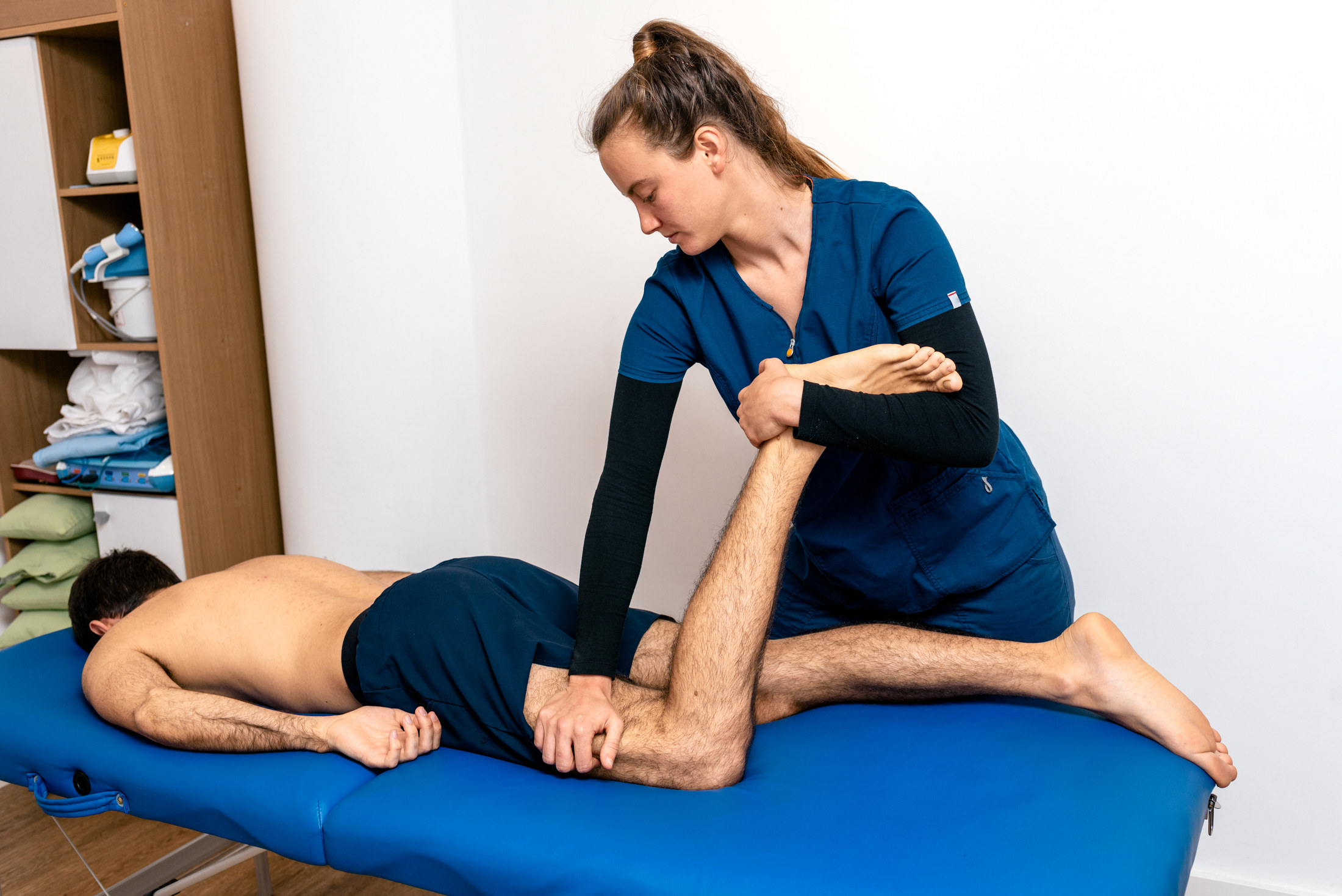
A further 5,400 adults were waiting over a year for physiotherapy treatment after assessment, almost 5,000 of them in Waterford and Wexford. For anyone with a back, knee or post-operative problem, that is the practical reason private chartered physiotherapists are busy through the winter.
Budget 2027: mental health, contraception and GP access
The health budget rises by €1.6 billion to €29.1 billion in 2027, the Irish Examiner reported on 6 October, with better out-of-hours GP access and children's dental care promised. The free contraception scheme extends to women up to age 37.
Mental health funding rises by €108 million, or 7%, to €1.657 billion, the Irish Examiner reported on 5 October. That pays for six more Solace crisis cafés, bringing the total to 15, two more community crisis resolution teams for rural counties without an acute unit, and 12 more Suicide Crisis Assessment Nurse teams so every county has at least one.
Strike day on 12 November
Unions have called a 24-hour public sector strike for Thursday 12 November after pay talks reached an impasse, RTÉ reported on 4 November. On the 14 October strike day the HSE postponed all elective procedures and cancelled thousands of appointments, the Irish Times reported, so a similar day is likely.
What it means for you
If you are over 60, pregnant, have a long-term condition or have a child aged 2 to 17, book the free vaccine at your pharmacy or GP this week, before the December rise that last winter brought. If you are outside the free groups, ask your pharmacy whether private stock is available; in September the Irish Pharmacy Union said none was confirmed. Move any HSE appointment that falls on 12 November if you can, and expect outpatient clinics to be disrupted.
If you have been told a public physio or OT assessment is a year away, a private chartered physiotherapist can usually see you within days; ask for the price per session and how many sessions they expect. Women aged 36 and 37 should ask their GP about the free contraception scheme from 2027. Locufy lists local physiotherapists, counsellors, personal trainers and other health and wellbeing providers by area.
Providers: physios, counsellors and personal trainers should publish session prices and typical waiting times, say whether health insurance receipts are provided, and tell clients which HSE lists they can bypass. Pharmacies offering vaccinations should state whether walk-ins are accepted and whether private flu stock is in.
Key dates
- Since 8 October 2026: HSE winter flu and COVID-19 vaccination programme open at GPs and pharmacies
- 12 November 2026: 24-hour public sector strike; HSE appointments likely affected
- December 2026: period when flu surged last winter, peaking over Christmas
- 2027: free contraception scheme due to extend to women up to age 37 under Budget 2027
- First quarter 2027: €500 cost-of-disability payment for long-term disability payment recipients
Sources
- HSE — HSE launches 2026-2027 Winter Vaccination Programme
- HPSC — Integrated Respiratory Virus Bulletin, Ireland, Week 43 2026
- Irish Times — Winter flu deaths of 238 recorded as virus returns to 'baseline' levels
- RTÉ — HSE expects to receive full supply of flu vaccines
- Irish Times — More than 32,000 adults waiting over a year for physiotherapy and other primary care assessments
- Irish Examiner — Budget 2027: Better access to out-of-hours GPs with €1.6bn increase in health spending
- Irish Examiner — Budget 2027: €108m rise in mental health funding to include six more 'solace cafes'
- Irish Times — Budget 2027 main points
- RTÉ — Talks to continue over dispute on public sector pay deal
- Irish Times — 'Nobody can survive on the wages we're getting': public sector workers strike across the country
FOLLOW HEALTH
One email a month — the health piece, the day it goes out. One tap to stop.
Comments 0
Signed-in Locufy customers and providers only. Comments close 30 days after publication. Report anything that names a person unfairly — we act on every report.
MOST READ THIS MONTH
FOLLOW A SECTION
Pick your sections. The month's piece arrives the day it goes out.
Nothing is pre-ticked. Choose one section or all 20; you get at most one email per section per month.
One email per section per month, the day the piece goes out. Stop in one tap. Privacy.