HOW TO HIRE · TRADES & CONSTRUCTION · CHECKED OCTOBER 2026
How to hire a groundworker in Ireland
The checks, the questions and the paperwork.
A groundworks in Ireland costs €5,000–€40,000 per project, typically around €15,000. Here is how to check that in a minute, what to ask before you book, and what you must be handed when the job is done.
- Search and compare — no account needed
- Nearest to you first
- One score from Google, Trustpilot and Locufy reviews
THE 60-SECOND VERSION
Hiring a groundworker in five steps
- Are you on the Construction Industry Register Ireland, and what is your number?A number you can look up yourself before you agree a price — drainage Solutions — installing drainage systems is crucial to prevent water accumulation and flooding.
- Will I get a Certificate of Compliance on Completion, and when?On the day the work is finished and tested, not posted on later — excavation Work — excavation involves digging trenches for foundations, drainage systems, or utility lines.
- How does complexity of the job change the price?A complicated brief needs a conversation before any work starts. — ask before the quote rather than after.
- How does materials used change the price?Bulky materials cost more to get to site. — ask before the quote rather than after.
- How does site size change the price?Every extra metre adds both labour and materials. — ask before the quote rather than after.
BEFORE YOU BOOK
Check before you book
Construction Industry Register Ireland (CIRI)
CIRI is a VOLUNTARY register today. The Regulation of Providers of Building Works and Miscellaneous Provisions Act 2022 was signed on 5 July 2022 and S.I. 429/2022 commenced parts of it on 29 August 2022; the Construction Industry Federation was appointed registration body on 16 January 2023. Registration is NOT yet mandatory: the divisions regulations had not been drafted as of a May 2025 Dáil answer, and CIRI itself projects mandatory registration from 2027. So being absent from CIRI breaks no law in 2026 — and being on it is still the only independent check of a builder that exists here.
Search the Construction Industry Register Ireland for the name or the registration number before you agree a price. ciri.ie →
a Certificate of Compliance on Completion
Issued by the assigned certifier and the builder, where the work needed a commencement notice on completion, before the building is occupied. It matters because it is lodged on the statutory register and is what a buyer's solicitor looks for; work done without one surfaces on sale.
Agree before the work starts that you will be handed a certificate of compliance on completion, and keep it with the house papers.
Insurance
Expect public liability and, for anything structural, professional indemnity from whoever designed it. From a company, ask for the insurer, the limit and the VAT number, and ask who actually attends: the team that turns up may be employed, subcontracted or both, and only one of those is supervised by the firm you are paying.
Ask to see the current certificate of insurance — the insurer's name, the limit and the date it runs to.
Trader or private seller
Under the Consumer Rights Act 2022 a trader must tell you they are a trader, and your consumer rights — work carried out with reasonable skill and care, and a cooling-off period on a contract agreed in your home or online — apply to traders and not to private sellers. On Locufy the trader status is shown on the profile.
Look for the trader badge on the Locufy profile, and ask anyone else for it in writing before you agree a price.
VAT
VAT at 13.5%, the reduced rate Revenue publishes for this service. Ask whether the price you were given includes it. A trader under the €42,500 registration threshold does not charge it; one over it must, and must show it separately.
Ask whether the figure you were given includes it, and for the VAT number if they are registered — Revenue publishes the rate for this service. revenue.ie →
A good answer: A number you can look up yourself before you agree a price — drainage Solutions — installing drainage systems is crucial to prevent water accumulation and flooding.
A good answer: On the day the work is finished and tested, not posted on later — excavation Work — excavation involves digging trenches for foundations, drainage systems, or utility lines.
A good answer: A complicated brief needs a conversation before any work starts. — ask before the quote rather than after.
A good answer: Bulky materials cost more to get to site. — ask before the quote rather than after.
A good answer: Every extra metre adds both labour and materials. — ask before the quote rather than after.
A good answer: Site Clearance — covers the removal of debris, vegetation, and obstacles to prepare the land for construction — get the exclusions named in the quote, because a groundworker job is priced on what was agreed and not on what was assumed.
A good answer: Expect public liability and, for anything structural, professional indemnity from whoever designed it — soil Stabilisation — involves treating and reinforcing soil to support construction and prevent erosion.
Getting the quote right
- Complexity of the job — a complicated brief needs a conversation before any work starts.
- Materials used — bulky materials cost more to get to site.
- Site size — every extra metre adds both labour and materials.
- Soil condition — the first visit after a long gap is always the slowest.
- In writing before anyone starts — a message on Locufy counts
- What is NOT included, named
- Who actually attends, and whether they are employed or subcontracted
- The VAT number, and whether it checks out on the Revenue register
Walk away if
- They are not on the Construction Industry Register Ireland, or the number does not resolve to the name on the quote
- No a Certificate of Compliance on Completion is offered, or you are told you do not need one for work of this kind
- They will not talk about it: complexity of the job — a complicated brief needs a conversation before any work starts
- They will not talk about it: materials used — bulky materials cost more to get to site
- They will not talk about it: site size — every extra metre adds both labour and materials
- A price for the groundworker before anyone has asked the size, the access or the condition of what they are working on
What a groundworker costs: €5,000–€40,000 per project
The figures are for the job, per project, and a quote for your own is the only number that binds anyone. Excavation and Foundation laying each carry their own band. Groundworks price guide →
Guide prices compiled by the Locufy team from published Irish and UK provider price lists and 2026/27 cost guides. Updated 2026.
KNOW WHAT TO LOOK FOR? NOW FIND ONE
Groundworkers near you, with the badges that matter shown
ID checked, trader status and one score from every review — on the card, before you message anyone. Nearest first. No account needed to look.
Or post the job free and let them come to you.
- Look firstComplexity of the job — a complicated brief needs a conversation before any work starts — that is what the groundworker is judging on the first visit, and a price given without it is a guess.
- Agree what is being doneMaterials used — bulky materials cost more to get to site — put in writing before anyone starts, because it is the document you both read back at the end.
- The work itselfSite size — every extra metre adds both labour and materials — and anything found on the day that was not in that is priced before it is started.
- Check it togetherSoil condition — the first visit after a long gap is always the slowest — walked against the written scope rather than against the feeling of it, while the groundworker is still there.
- What you are handedA Certificate of Compliance on Completion, the invoice and any guarantee on the workmanship and the parts, access for machinery — working at height is slower and needs more care.
- Excavation Work
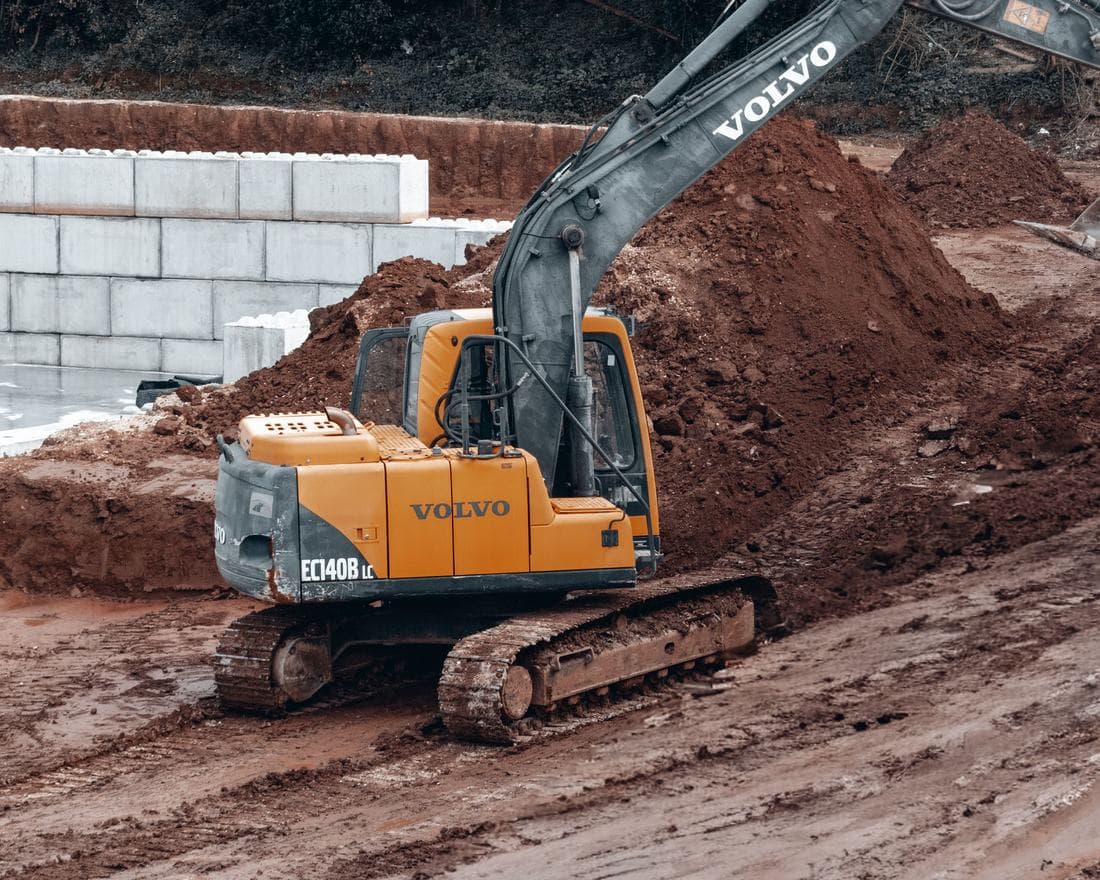
- Excavation involves digging trenches for foundations, drainage systems, or utility lines.
- Drainage Solutions
- Installing drainage systems is crucial to prevent water accumulation and flooding.
- Excavation
- Involves digging and removing soil to prepare the site for foundations or other structures.
- Drainage Installation
- Entails creating systems to manage water runoff and prevent flooding or damage to structures.
- Soil Stabilisation
- Involves treating and reinforcing soil to support construction and prevent erosion.
- Site Clearance
- Covers the removal of debris, vegetation, and obstacles to prepare the land for construction.
AFTER
When the job is done
Hiring a groundworker: questions people ask
The cost of groundworks can be influenced by site conditions, the complexity of the job, and the materials used. Additional factors such as location and accessibility also play a significant role in determining the final price.
The duration of a groundworks project can vary widely depending on the scope of work. Simple jobs may take a few days, while more complex projects could take several weeks to complete.
Same-day availability for groundworks services is generally limited due to the need for proper planning and equipment. However, some companies may offer emergency services for urgent situations.
Yes, booking multiple related groundworks jobs can often lead to cost savings and efficiency. Discuss your project scope with the contractor to see how they can accommodate your needs.
Out of scope items for groundworks may include landscaping, building construction, and any electrical or plumbing work. It's important to clarify what is included in your service agreement before work begins.
Search the name or the registration number. If the number does not resolve to the name on the quote, stop there.
MORE GUIDES
More hiring guides in trades & construction
Groundworkers near you
Sources — checked October 2026
- Regulation of Providers of Building Works and Miscellaneous Provisions Act 2022
- S.I. 429/2022 — Commencement Order
- Construction Industry Register Ireland
- Department of Housing — Building Control
- Consumer Rights Act 2022
- Revenue — BUILDING and CONSTRUCTION SERVICES (Private dwellings and Non-residential immovable goods) — Reduced rate
- Revenue — current VAT rates (effective 1 January 2026)
- Revenue — VAT thresholds: €42,500 for a person supplying services only