PRICE GUIDE · TRADES & CONSTRUCTION · 2026–2027
House Extension cost in Ireland
€2,500–€4,500 per m². Typically €3,200.
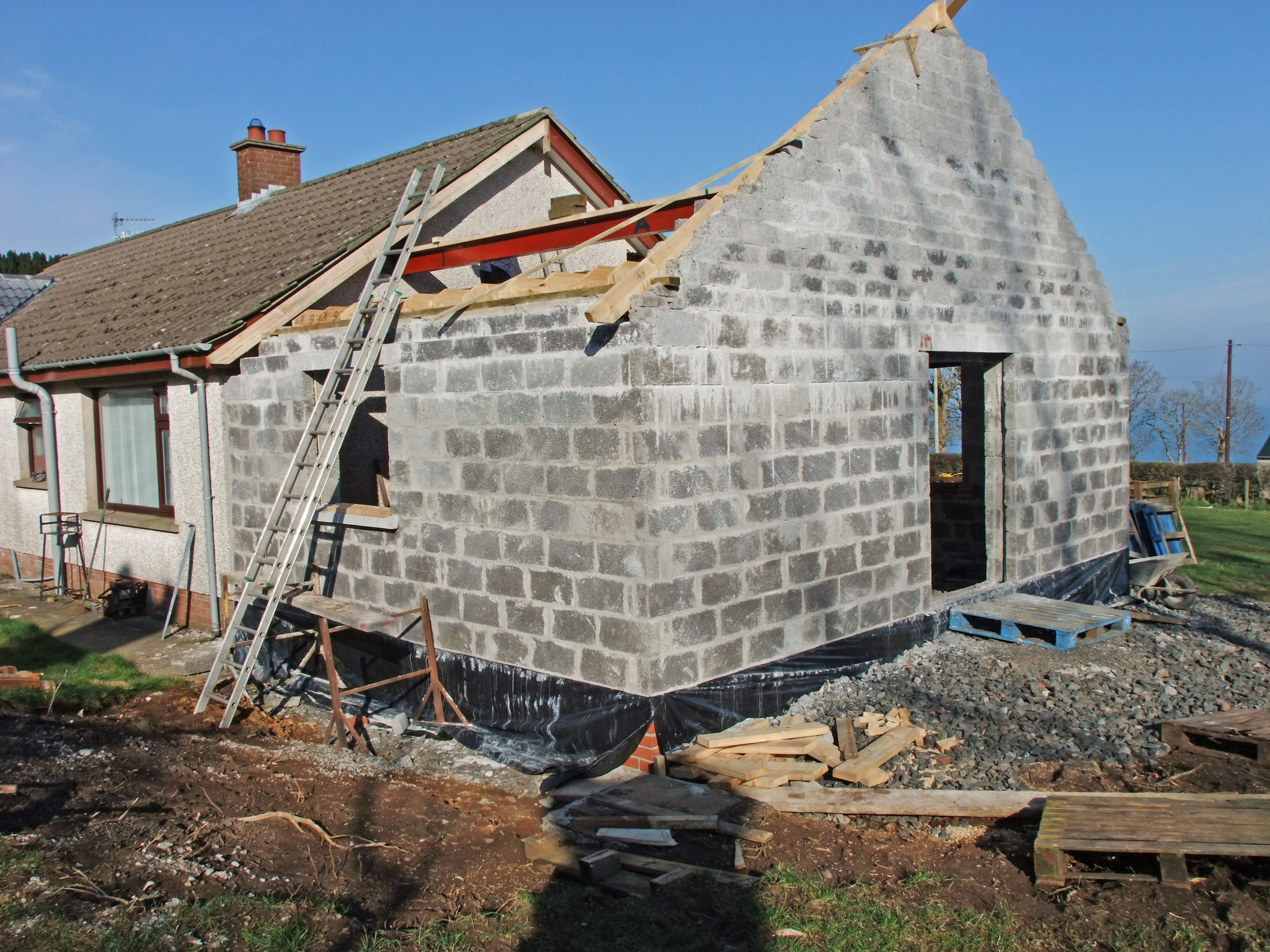
A house extension in Ireland costs €2,500–€4,500 per m², typically around €3,200. The price is set by size (m²) and single vs double storey, ground conditions and structure and kitchen/bathroom fit-out.
- Search and compare — no account needed
- Nearest to you first
- One score from Google, Trustpilot and Locufy reviews
HOW MUCH IT COSTS
How much does house extension cost in Ireland?
| Low end | €2,500 | a simple job, off-peak, outside the cities |
|---|---|---|
| Typical | €3,200 | what most people pay |
| High end | €4,500 | the biggest jobs, short notice, Dublin |
Locufy guide prices for 2026–2027. Updated 2026. A national range, not a quote — enter your town above for real prices from the builders and trades near you.
What moves the price
- Materials used — matching brick, stone or roof tiles to the existing house can cost more than standard materials.
- Complexity of the design — large glazed openings, steel beams or a vaulted roof add engineering and building time.
- Condition of the existing structure — weak foundations or damp in the old walls need fixing where the extension joins on.
- Ground conditions — soft or sloping ground needs deeper foundations before the house extension can go up.
Services for the maintenance and repair of the dwelling prices in Ireland are up 23% over five years (CSO Consumer Price Index, Services for the maintenance and repair of the dwelling, to 2025 December). Five years ago a typical house extension would have cost about €2590 — an estimate from today's guide price and that index, not a recorded price. Source: CSO CPM18, CPM12 →
WHAT YOU GET
What a house extension booking includes
Takes: The duration of a house extension project can range from a few weeks to several months, depending on the size and complexity..
WHAT PEOPLE BOOK
Common house extension jobs
KNOW THE PRICE? NOW SEE THE REAL ONES
House Extension near you, with prices shown
The builders and trades that cover your area, nearest first, each with their price and one score from every review. No account needed to look.
Or post the job free and let them come to you.
How to pay less
- Keeping the extension a simple box shape with a flat or lean-to roof costs less than a complex design.
- Keeping new kitchens and bathrooms close to existing pipes and drains saves on plumbing work in the extension.
- Choosing standard window and door sizes rather than made-to-order glazing keeps the extension cost down.
- Taking on the decorating yourself after the build can save on the extension's finishing costs.
- Fitting out the kitchen or bathroom with mid-range units and fixtures, rather than designer ones, lowers the extension fit-out cost.
Before you book
- Access to the property so the builder can measure up for the extension on a site visit.
- Any existing architectural plans or documents related to the property.
- Ask the builder about house extensions they have built and whether you can speak to past customers.
- Check whether the extension needs planning permission and agree who will apply for it before work starts.
- Tell the builder which materials you would like the extension to match, such as brick, render or roof tiles.
- Agree working hours, where materials will be stored and how you will get in and out of your home during the build.
- You can ask whether the builder is qualified, and how the house extension will meet building standards and be inspected as the work goes on.
House Extension cost: questions people ask
The cost of a house extension can vary significantly based on size, complexity, materials used, and location. For example, a more complex design or high-end materials will increase overall costs.
The duration of a house extension project can range from a few weeks to several months, depending on the size and complexity. A simple single-storey extension might take around 6-8 weeks, while larger projects could take longer.
While general contractors can manage most aspects of a house extension, specific tasks like electrical, gas, or structural work require qualified specialists. It’s crucial to ensure that all work complies with local regulations.
Yes, many homeowners choose to combine related jobs, such as a house extension and renovation of existing rooms. This can often lead to cost savings and a more streamlined project timeline.
Emergency work for house extensions is generally limited and depends on the nature of the issue. Most projects require careful planning and scheduling, so same-day availability is uncommon.
Out of scope work may include landscaping, interior decorating, or any structural changes not covered in the original design. Homeowners should clarify with contractors what is included in the initial agreement.