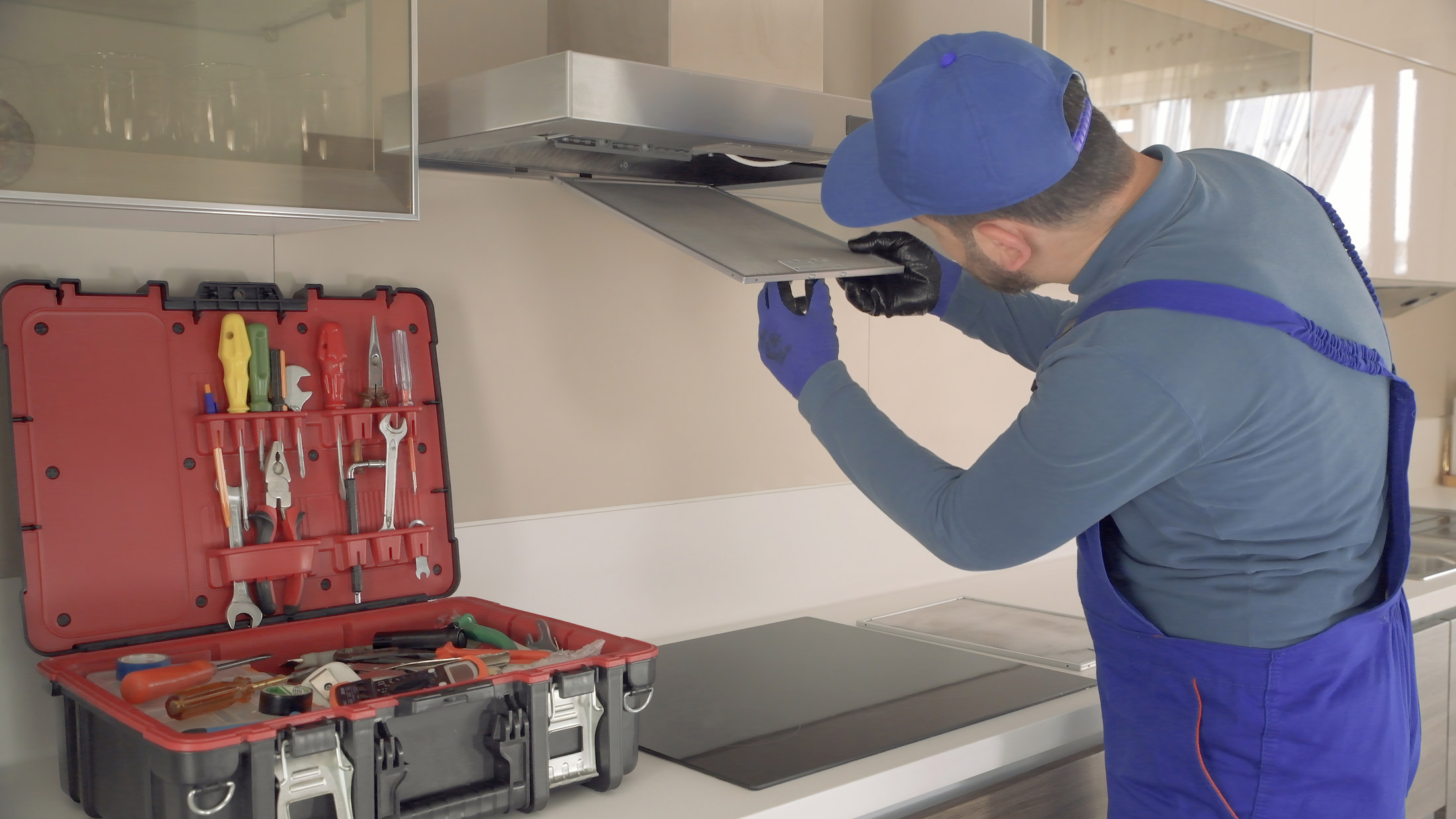
PRICE GUIDE · ELECTRICAL · 2026–2027
Extractor Fan Installation cost in Ireland
€150–€400 per fan. Typically €250.
An extractor fan installation in Ireland costs €150–€400 per fan, typically around €250. The price is set by fan type (axial, inline, with timer/humidistat), new ducting vs existing and through-wall vs through-roof.
- Search and compare — no account needed
- Nearest to you first
- One score from Google, Trustpilot and Locufy reviews
HOW MUCH IT COSTS
How much does extractor fan installation cost in Ireland?
| Low end | €150 | a simple job, off-peak, outside the cities |
|---|---|---|
| Typical | €250 | what most people pay |
| High end | €400 | the biggest jobs, short notice, Dublin |
Locufy guide prices for 2026–2027. Updated 2026. A national range, not a quote — enter your town above for real prices from the electricians and electrical firms near you.
What moves the price
- Type of extractor fan — an inline fan or one with a timer or humidity sensor costs more than a basic axial fan.
- Through wall or through roof — venting through the roof takes longer and needs more ducting than a hole through an outside wall.
- Any additional work required — cutting a new vent or running ducting adds time to an extractor fan installation.
- Condition of the existing electrical system — an old lighting circuit may need work before a timer or humidity-controlled fan can be connected.
Services for the maintenance and repair of the dwelling prices in Ireland are up 23% over five years (CSO Consumer Price Index, Services for the maintenance and repair of the dwelling, to 2025 December). Five years ago a typical extractor fan installation would have cost about €200 — an estimate from today's guide price and that index, not a recorded price. Source: CSO CPM18, CPM12 →
WHAT YOU GET
What an extractor fan installation booking includes
Takes: Typically, extractor fan installation takes between 1 to 3 hours, depending on the complexity of the job.. Not included: Typically, installation services do not cover extensive electrical upgrades or repairs to existing wiring.
WHAT PEOPLE BOOK
Common extractor fan installation jobs
KNOW THE PRICE? NOW SEE THE REAL ONES
Extractor Fan Installation near you, with prices shown
The electricians and electrical firms that cover your area, nearest first, each with their price and one score from every review. No account needed to look.
Or post the job free and let them come to you.
How to pay less
- Fitting the new extractor fan into an existing vent hole avoids paying to core a new opening through the wall.
- Consider the energy efficiency of the fan model to save on energy costs.
- Wiring the fan to the existing light switch can cost less than adding a separate switch or fused spur.
- Placing the fan on an outside wall, where the room allows, avoids the cost of long ducting through the attic.
- Having the kitchen and bathroom extractor fans fitted in the same visit costs less than two separate call-outs.
Before you book
- Access to the installation area, including any necessary permits.
- Information about the room's size and current ventilation setup.
- Any specific preferences regarding noise levels or design.
- Clear pathways to the kitchen or bathroom where the extractor fan will go.
- You can check the installer is a qualified electrician, and ask whether the extractor fan suits the room it is going into.
Extractor Fan Installation cost: questions people ask
The cost can vary based on the type of extractor fan, the complexity of the installation, and any additional work required, such as ducting. Location and the electrician's experience may also influence the price.
Typically, extractor fan installation takes between 1 to 3 hours, depending on the complexity of the job. A straightforward installation may be completed quickly, while additional ducting or electrical work could extend the time.
While general electricians can install extractor fans, it's crucial to ensure they are qualified and familiar with local regulations. For complex installations involving structural changes or existing electrical systems, a specialist may be needed.
Some electricians offer emergency or same-day services, but availability may vary based on demand and location. It's advisable to check with your electrician ahead of time to see if they can accommodate urgent requests.
Yes, many electricians offer package deals for multiple services, such as installing additional fans or other electrical work. Booking several jobs at once can often lead to savings on both time and cost.
Typically, installation services do not cover extensive electrical upgrades or repairs to existing wiring. Additionally, any necessary building work, like cutting into walls or ceilings beyond the installation, may be considered out of scope.
MORE GUIDES